In today’s high-stakes health care environment, thriving organizations know that excellence is achieved not by chance, but through intentional structures that empower the frontline. Unit-Based Councils (UBCs) are more than committees; they are engines of shared decision-making and governance, critical for clinical excellence, staff engagement, and Magnet® and Pathway to Excellence® (PTE®) designations.
Shared or Professional Governance: A Foundation for Health Care Excellence
Shared and professional governance shifts decision-making from top-down to team-driven. It enables nurses and interprofessional team members to align organizational goals with bedside wisdom. With shared ownership, collaboration becomes a competency, not a coincidence. The result? Higher engagement, lower turnover, and better patient outcomes.

What Are Unit-Based Councils?
Unit-Based Councils, also called other terms such as Unit Practice Councils (UPCs), are the frontline expression of shared and professional governance. These teams represent specific departments and work units, providing a structured forum to elevate ideas, identify barriers, and implement solutions. They are the heartbeat of transformation, directly influencing safety, quality, and culture at the point-of-care.
6 High-Impact Unit-Based Council Success Strategies
1. Empower Through Education and Professional Growth
Equip Unit-Based Councils with ongoing access to certification support, workshops, and professional development resources. Professional growth isn’t a perk; it’s a retention strategy. Unit-Based Councils can lead peer-learning initiatives that build both competence and confidence.

2. Utilize Best Practices
Unit-Based Councils create continuity in care by identifying evidence-based practices, benchmarking performance, and implementing standards across units. This eliminates variability, elevates safety, and drives clinical excellence.
3. Prioritize the Patient Experience
Unit-Based Councils champion patient and family-centered care by embedding feedback loops, inviting patients to co-design care plans, and using satisfaction data as a quality metric. The patient voice belongs in governance.
4. Lead with Evidence and Innovation
Engage Unit-Based Councils in local research, QI projects, and evidence translation. Partner with nurse scientists and data analysts to measure and improve care. These teams don’t just implement innovation, they generate it.
5. Create Systems for Issue Escalation and Action
Unit-Based Councils establish electronic submission tools and clear pathways for issue review, feedback, and action. Unit-Based Councils must be equipped to raise concerns and empowered to resolve them. Transparency and timeliness are key.

6. Share Power, Decisions, and Accountability
Leadership must respect, support, and act upon Unit-Based Councils recommendations. Councils flourish when decision-making authority is distributed, roles are clearly defined, and accountability is mutual. This is the true essence of shared governance. Leaders must articulate decision-making guidelines in order for councils to be successful.
The Takeaway: Unit-Based Councils Drive Outcome Improvement Momentum
When unit-based councils thrive, so do your outcomes. These structures are not only instrumental in achieving ANCC Magnet® or Pathway to Excellence® recognition, but they are also vital for sustaining the culture of excellence those designations reflect. Excellence isn’t a project, it’s a practice…. and Unit-Based Councils are how you practice every day.
How CHCM Supports Governance Excellence
At Creative Health Care Management (CHCM), we’ve partnered with leading hospitals globally to implement governance structures that support Magnet® and Pathway To Excellence® designation and beyond. From structure and process development to launch planning to leadership coaching, our solutions help you create Unit-Based Councils that inspire, innovate, and deliver impact.
Professional governance is the today’s expectation in health care, and unit-based councils are how we get there. Let’s shape a new standard where every voice matters, every team leads, and every patient receives the benefit of empowered care.
Ready to Strengthen Your Governance Structure?
If your organization is working toward Magnet® or Pathway to Excellence® designation- or simply striving to elevate nurse engagement and clinical outcomes- the right governance structure makes all the difference.
Creative Health Care Management (CHCM) partners with hospitals nationwide to design, launch, and optimize Unit-Based Councils and shared governance frameworks that create measurable impact.
- Assess your current governance model
- Build strong council infrastructure
- Strengthen leadership alignment
- Sustain engagement and accountability
Explore how CHCM can support your governance journey, contact us today!

Frequently Asked Questions
What is a Unit-Based Council (UBC)?
How do Unit-Based Councils support shared governance or professional governance?
Why are Unit-Based Councils important in health care?
What are the key benefits of implementing Unit-Based Councils?
– Improved patient safety and quality outcomes
– Increased staff engagement and satisfaction
– Stronger collaboration across teams
– Support for Magnet® and Pathway to Excellence® designations
– More efficient problem-solving at the unit level
How can organizations make Unit-Based Councils successful?
– Ongoing education and professional development
– Use of evidence-based practices
– Clear communication and escalation pathways
– Leadership support and shared accountability
– A focus on patient experience and innovation
Can Unit-Based Councils help with Magnet® or Pathway to Excellence® designation?
Sources:
https://health.ucdavis.edu/nurse/magnet/designation.html
https://www.myamericannurse.com/jump-starting-unit-based-councils/
https://www.nursingworld.org/organizational-programs/
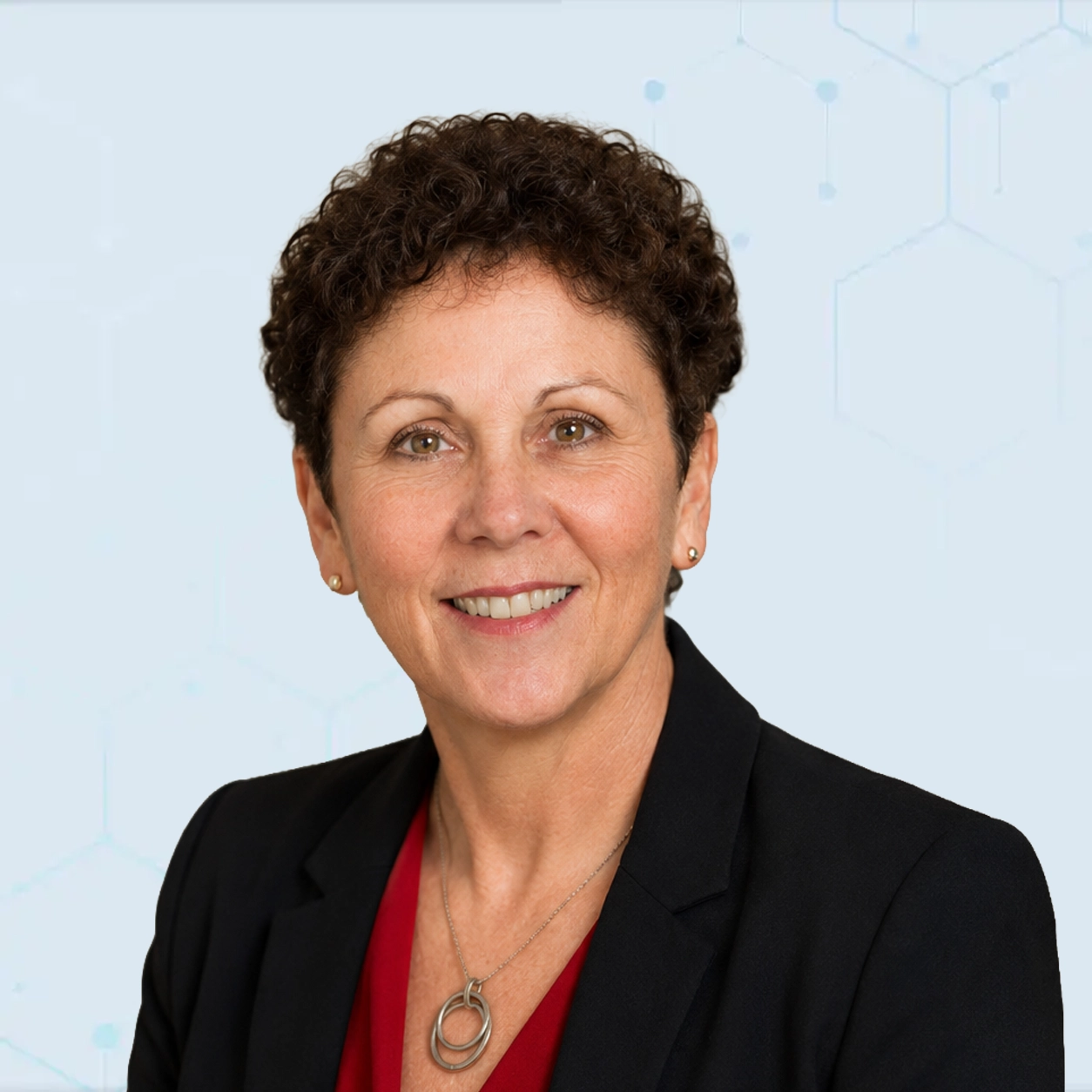
Gen is driven by the desire to help clients create organizational excellence through measurable improvement. She thrives on helping others reach meaningful goals, including Magnet® designation.