An important decision that organizations need to make when preparing for Magnet® designation or redesignation is determining who will write the document. The pursuit of Magnet® designation is an organization wide journey. It requires the commitment and involvement of the entire team to cultivate and sustain a culture of excellence.
Crafting your Magnet® document is no different. The process of reading through all the Sources of Evidence (SOE), identifying potential stories, vetting those stories, identifying and collecting appropriate evidence or outcome data, writing the stories, and ultimately developing a successful Magnet® document that highlights excellence throughout the organization requires a team effort.
What Is a Magnet® Component Team Approach?
While the Magnet® Program Director (MPD) plays a key role in facilitating and coordinating the document creation process, we encourage organizations to consider a component team approach when crafting your document.
A component team approach organizes document contributors around the primary components of the Magnet® Model:
- Transformational Leadership
- Structural Empowerment
- Exemplary Professional Practice
- New Knowledge, Innovations, and Improvements
Organizations may also create a team for the Organizational Overview (OO). In some cases, the MPD may lead or complete the OO section with support from selected organizational stakeholders. Each component team is responsible for gathering information, identifying potential examples, coordinating evidence, and supporting the development of narratives related to its assigned component. This structure turns document development into a coordinated organizational process instead of placing the entire burden on the MPD.
What Is the Role of the Magnet® Program Director?
A team approach distributes the work of document development, but it does not replace the MPD’s role in the process or accountability for the final submission. Team members may gather evidence, verify data, develop narratives, and review drafts, while the MPD provides the oversight and direction needed to keep the work aligned and ensure a cohesive, submission-ready document. The MPD maintains visibility across the entire document while component leaders and contributors manage the detailed work within their assigned areas.
Key MPD responsibilities include:
- Set the direction. Establish the overall document structure and approach, interpret Sources of Evidence (SOE) and program requirements, and provide guidance to the team.
- Prepare the team. Educate, coach, and mentor team members, including providing guidance on identifying and vetting potential examples.
- Create the framework. Establish timelines, templates, processes, and expectations for document development.
- Organize the work. Identify component leaders, clarify roles and responsibilities, and coordinate work across teams.
- Keep the process on track. Monitor progress and deadlines and address gaps or barriers as they arise.
- Stay current. Monitor updates to the program manual, FAQs, and other ANCC guidance and communicate relevant changes to the team.
- Ensure accuracy and alignment. Confirm that evidence and data are accurate, complete, and aligned with the narrative.
- Shape the final narrative. Review, edit, and revise drafts for clarity, accuracy, consistency, completeness, and alignment with SOE requirements.
- Accountable for the final submission. Conduct a final review to ensure all required elements and supporting evidence are present, then finalize and upload the completed document and supporting materials.
Identify Component Leaders, Members, and Writers
Once the component team structure has been established, and as you develop writing teams, you’ll need to identify component leaders, members, and writers.
- Component leaders guide their respective component team, serving as the project manager for the assigned component.
- Members and writers are assigned various roles within each component team based upon their strengths, areas of interest, and needs of the writing team. As part of the team, members and writers are responsible for submitting all necessary materials and information on time – a critical expectation of the role.

Who Should Serve on Each Component Team?
Having diverse component teams with representation from various levels and areas of nursing practice, interprofessional partners, and other stakeholders helps ensure various points of view and shared responsibility.
Consider inviting the following people to your writing teams:
| Organizational Overview (OO) | – MPD – Others as Needed |
| Transformational Leadership (TL) | – CNOs – Directors – Managers |
| Structural Empowerment (SE) | – Educators – Clinicals Nurses – Those Involved With: Professional Development Transition to Practice Preceptors Recognition and Rewards Community Outreach |
| Exemplary Professional Practice (EP) | – Clinical Nurses – Leaders – Those Involved With: Peer Feedback Shared Decision-Making Workplace Safety and Wellbeing Quality, Safety, and Patient Experience |
| New Knowledge, Innovations, & Improvements (NK) | – EBP / Research Council – Informatics – Innovation Teams – Clinical Nurses |
Match Responsibilities to Individual Strengths
Not everyone on the writing team needs to be a writer. One of the benefits of a component team approach is the ability to divide responsibilities strategically.
For example, some contributors may be skilled at interviewing nurses and helping them explain why an initiative mattered. Others may understand organizational data, know where supporting evidence is stored, or have direct knowledge of how a process changed over time.
Potential team assignments include:
- Story scouts: Identify potential examples across the organization.
- Interviewers: Speak with the people closest to the work and gather important details.
- Evidence coordinators: Locate policies, meeting minutes, educational materials, and other supporting documentation.
- Data partners: Verify measures, benchmarks, interventions, and outcomes. Consider designating one individual to create all Empirical Outcome (EO) graphs to ensure consistent presentation, accurate representation of the data, and alignment with established requirements.
- Writers: Develop the narrative in alignment with the SOE.
- Reviewers: Check the narrative for clarity, accuracy, consistency, and completeness.
Defining these responsibilities early prevents confusion and helps contributors understand exactly what is expected of them. Regardless of the approach you take, be sure to create tools, templates, and guidelines to help support your teams as well as develop accountability strategies to keep teams on track.

Provide Ongoing Education, Coaching, and Mentoring
Lastly, don’t forget about education, coaching, and mentoring for your writing teams. Writing a Magnet® document is not like writing other documents. You’ll need to read and digest each SOE to fully understand what needs to be described and demonstrated. A single introductory education session is rarely enough.
Writing teams benefit from ongoing opportunities such as:
- SOE interpretation sessions
- Narrative-writing workshops
- Story-vetting meetings
- Evidence-review sessions
- Data and outcome validation
- Peer review between component teams
- Individual coaching
Education should continue throughout the process as teams encounter new questions, examples, and documentation challenges. Remember, document creation is not extra work…it is your work! Your document tells your story.
Creative Health Care Management Can Help with your Magnet® Journey
Creative Health Care Management (CHCM) offers a variety of nursing excellence workshops and Magnet® consulting services to help you craft a successful Magnet® document and partner with you through all phases of your journey.
Build a Stronger Magnet® Document with CHCM
Looking for help on your writing process and creating a Magnet® document that clearly communicates your organization’s excellence?
Join me, Amber Orton, for CHCM’s Mastering the Magnet® Document Virtual Workshop on November 5, 2026, from 8:30 a.m. to 4:30 p.m. CT. This interactive workshop will provide practical strategies for organizing writing teams, selecting meaningful evidence, strengthening narratives, and reducing unnecessary revisions.
Register today and give your Magnet® document writing team the tools and confidence to tell your organization’s story effectively.
Frequently Asked Questions About Magnet® Document Writing Teams
No. Many successful component teams use one or two primary writers while other members identify examples, interview stakeholders, collect evidence, validate data, or review content.
A component leader should understand the assigned area, communicate effectively, manage deadlines, and coordinate work across contributors. The strongest subject matter expert is not always the strongest project manager, so select component leaders with the full role in mind.
There is no single ideal size. Teams should be large enough to represent the necessary perspectives and expertise but small enough to maintain clear accountability. Roles should be based on the needs of each component rather than using the same number of people on every team.
Use shared templates, terminology, education, review criteria, timelines, and document-management practices. The MPD should also provide centralized oversight and meet routinely with the component leaders to ensure narratives work together as one cohesive organizational story and capture nursing practice across the organization.
Teams should be established early enough to receive education, understand their responsibilities, identify potential examples, and begin collecting evidence and outcomes well before narratives are due. Waiting until the formal writing period can create unnecessary pressure and rework.
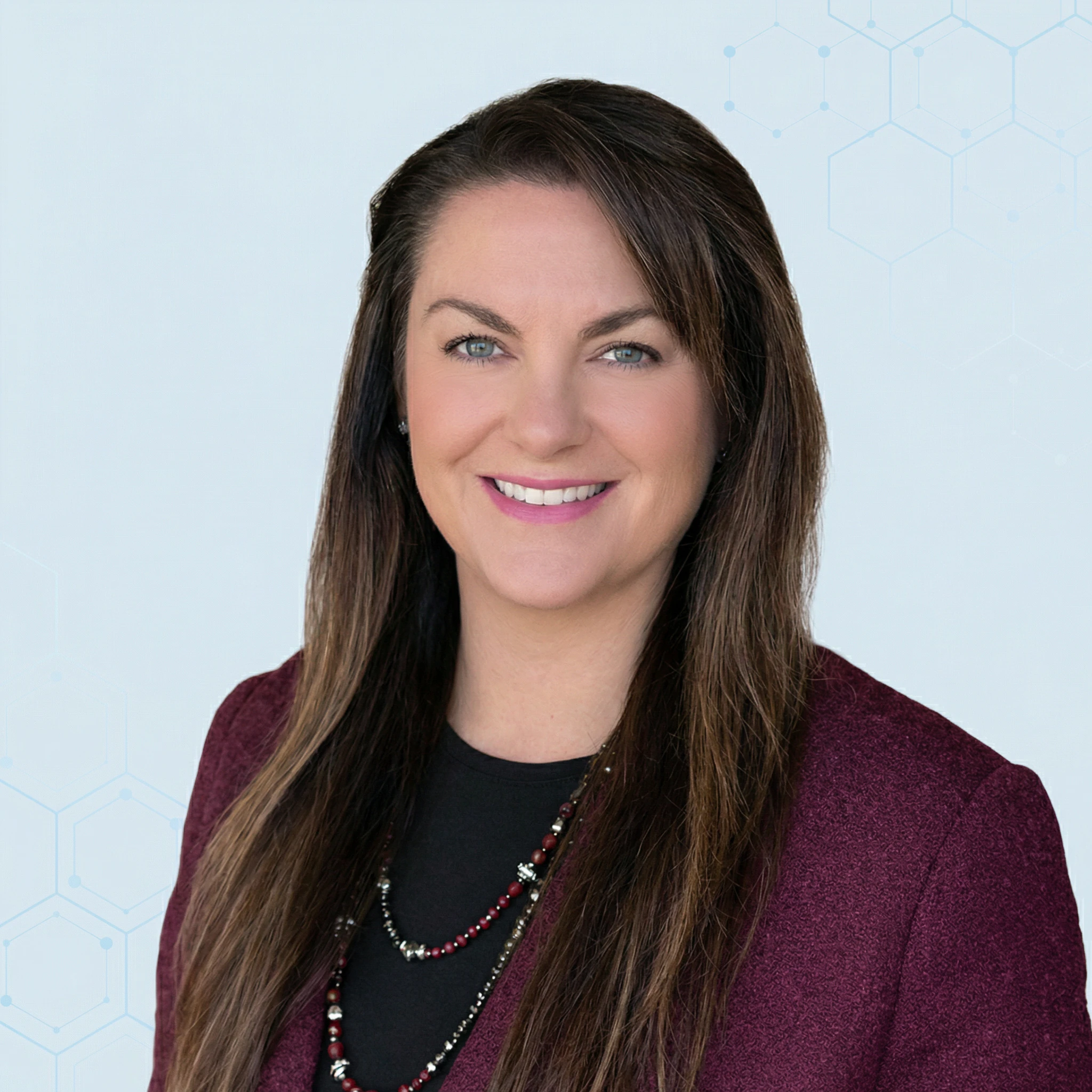
Amber’s deep understanding of data, attention to detail, and drive for creating a culture of excellence offers her clients a strong advantage. With her impressive background as a clinician and leader within a large health system she knows how to motivate others and unlock the potential in individuals and teams. Her work in engaging and leading teams through the strategic planning process by aligning organizational goals with unit and department goals has led to staff understanding of the big picture and collaborative relationships with those from the point of care to those in executive suites.