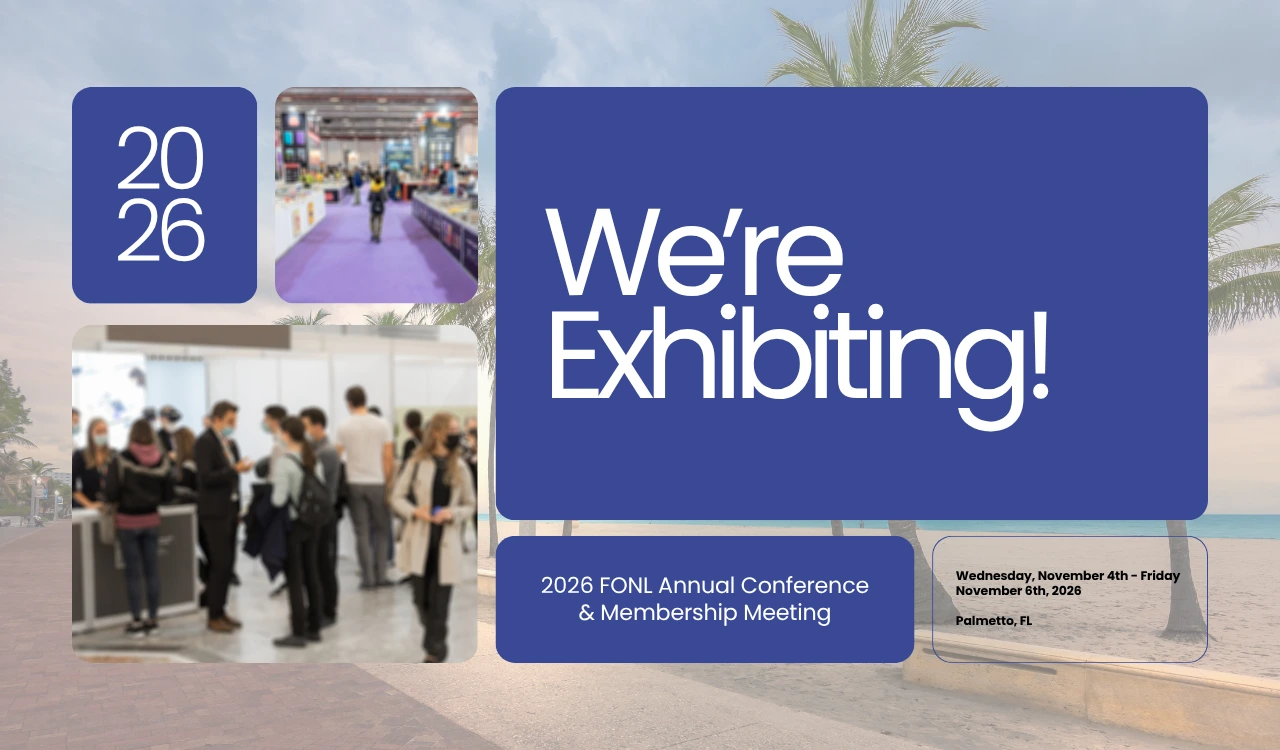
National conferences are more than events, they’re catalysts for professional growth, organizational learning, and team connection.
Whether your team is attending the ANCC Magnet® and Pathway® Conference, a specialty nursing conference, or another national healthcare event, the experience can introduce team members to new ideas, successful organizational practices, emerging research, and healthcare professionals from across the country. However, attending a conference does not automatically produce meaningful change. Organizations must prepare attendees to participate intentionally, capture what they learn, and apply relevant ideas when they return.
At Creative Health Care Management (CHCM), we believe that preparing your team well is an act of leadership. It sets the tone for learning, builds community, and ensures that the investment your organization makes translates into meaningful outcomes back home. The following healthcare conference preparation guide can help you prepare your team for a national conference with clarity, structure, and heart and truly maximize your investment before, during, and after the event.
1. Decide Conference Objectives and Clearly Define Goals
Before deciding who should attend, clarify what the organization hopes to gain from the conference.
Conference objectives might include:
- Learning from organizations that have achieved Magnet® or Pathway to Excellence® designation
- Strengthening healthcare leadership capabilities
- Identifying strategies to improve employee engagement or retention
- Advancing professional governance
- Learning more about evidence-based practice and research
- Preparing emerging leaders for future roles
- Supporting a current organizational initiative
- Sharing an internal success through a poster or podium presentation
These goals should guide attendee selection, session planning, and post-conference expectations. Without a clearly defined purpose, team members may attend interesting sessions without knowing which information is most relevant to the organization. Beginning with organizational priorities creates a shared direction while still allowing individuals to explore topics connected to their roles and professional interests.
2. Choose Conference Attendees Intentionally
Selecting attendees is both strategic and relational. Consider:
- Individuals with a vested interest in the conference content
- Team members whose roles will directly benefit from the offerings
- Anyone presenting a poster or podium session
- New leaders who would gain exposure to national exemplars
- Magnet champions, ambassadors, and writing team members
- Chairs/co chairs of councils
- Staff in quality, professional development, or evidence‑based practice roles
Attendance should align with organizational priorities, available funding, and equitable opportunities for growth. “Is attendance critical or beneficial for the person’s role?” “Does this align with our strategic goals?” “Has this person attended recently?” These questions help ensure thoughtful selection.

3. Consider Local and Regional Healthcare Conferences
National healthcare conferences are powerful, but local and regional events can be just as impactful. State nurses’ associations, local professional chapters, research days, and hospital‑sponsored symposiums offer:
- Lower travel costs
- Opportunities for group attendance
- Easy access for informal leaders
- A gateway for staff who are new to professional conferences
These events build confidence and spark interest in larger national gatherings.
4. Track Attendance and Organizational Support
Maintaining a record of conference participation helps leaders understand how professional development resources are being used.
Tracking who attends conferences helps you:
- Monitor organizational support
- Document follow‑up activities
- Ensure equitable access
- Build a pipeline of future presenters and leaders
Include conference name, date, type of support provided, and any post‑conference contributions. Over time, these records can also reveal whether conference participation is concentrated among a small group or distributed throughout the healthcare workforce.
5. Establish a Clear Conference Support Process
A well‑defined conference attendance policy removes confusion and sets expectations. Include:
- Eligibility criteria
- Selection process
- Travel arrangements
- Expense submission guidelines
- PTO expectations
- How attendance and follow‑up will be tracked
Responsibility for this process could sit with a professional development, education, research, evidence-based practice, or professional governance council. Conference support could also be incorporated into a clinical advancement or career development program. Whatever approach is selected, the process should be transparent and consistently applied.
6 Create a Conference Invitation and Preparation Packet
A thoughtful welcome packet communicates professionalism and care. Include:
Letter of Congratulations
Explain why the person was selected, what support the organization is providing, , and how the opportunity connects to professional and organizational goals. This helps attendees recognize that their participation is valued and purposeful.
Registration Information
Provide instructions for registering and accessing the conference agenda or mobile application. Offer guidance on breakout sessions and encourage diverse session attendance across the team. A coordinated approach allows the team to return with insights from a wider range of topics.
Dress Expectations
Include practical guidance such as:
- Business casual clothing
- Comfortable shoes
- A sweater or jacket for conference rooms
- Organization-branded clothing, when appropriate
- A portable charger
- Business cards or a digital contact card
- Materials needed for note-taking
If team apparel is being ordered, collect size preferences early.
Travel & Housing Details
If booking travel for attendees, collect full names and birthdays. Provide hotel contact information and room‑sharing options.
Post‑Conference Expectations
Give attendees a template for:
- Number of sessions attended
- Key takeaways
- Posters or exhibits viewed
- Relevant resources collected
- New professional connections
- Ideas that could benefit the organization
- Recommended next steps
This structure ensures learning is captured and shared.
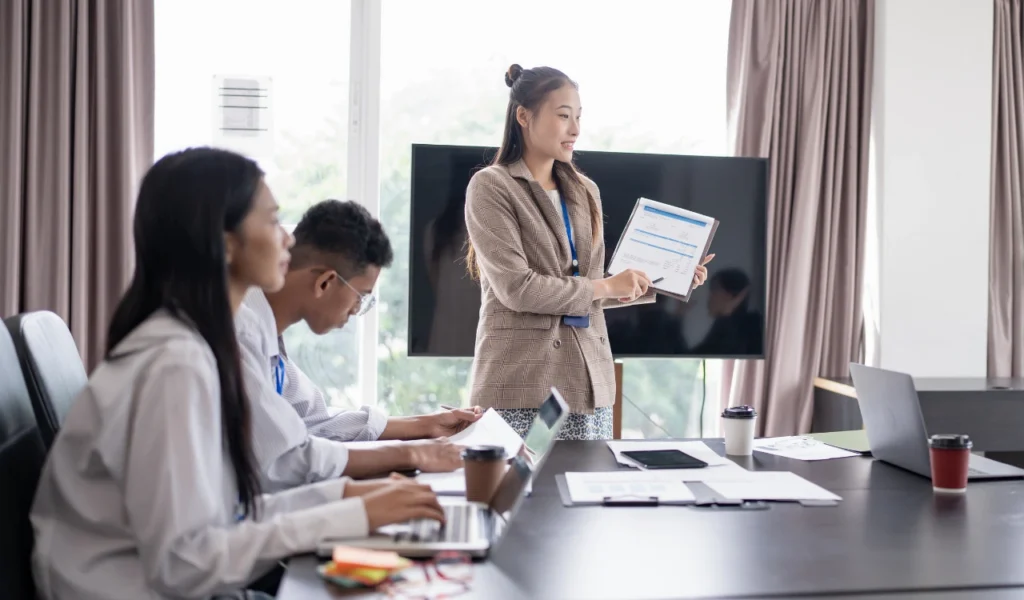
7. Hold a Pre‑Conference Meeting
Bring your team together before departure to:
- Review logistics (such as travel, hotel, and registration details)
- Clarify attendance and follow-up expectations
- Coordinate breakout sessions
- Exchange contact information
- Set emergency contacts
- Plan meet‑ups, team dinners, and daily debriefs
This meeting builds excitement and cohesion.
8. Use the Conference as a Team-Building Opportunity
Healthcare conferences naturally create bonding moments:
- Traveling together
- Sharing meals
- Staying at the same hotel
- Meeting in the lobby
- Connecting at the airport
Much of the learning that occurs at a conference happens outside formal sessions. They all create valuable opportunities for team members to build relationships. Consider planning:
- An optional team dinner
- A morning check-in
- An end-of-day debrief
- A designated conference meeting location
- Time to visit posters or exhibits together
- Opportunities to connect with colleagues from other organizations
Invite everyone to planned activities but honor downtime. Balance is key.
9. Return, Rest, Regroup
Attendees need time to process the experience before being expected to present recommendations. Schedule a team debrief within one to two weeks of returning.
During the meeting:
- Compare key takeaways
- Identify ideas connected to organizational goals
- Separate immediately actionable ideas from longer-term possibilities
- Determine which leaders, councils, or departments should be involved
- Assign responsibility for next steps
- Establish a timeline for follow-up
Potential post-conference activities include:
- Presenting during a professional governance council meeting
- Sharing highlights in an internal newsletter
- Facilitating a lunch-and-learn
- Creating a resource summary
- Meeting with an executive or organizational leadership team
- Mentoring future conference presenters
- Developing a quality improvement or evidence-based practice proposal
If someone presented a poster or podium session, recognize that accomplishment and explore opportunities for the work to be shared more widely.
10. Remember the Essentials
- Be intentional about who attends
- Prepare them well
- Celebrate their selection
- Provide clear expectations
- Support post‑conference presentations
- Track attendance and outcomes
- Create a policy and funding process
- Offer reflection space to evaluate the experience
When done well, conference attendance becomes a powerful strategy for professional development, shared governance, and organizational excellence.
Turn Conference Inspiration Into Organizational Action
Preparing attendees is only the first step. The greatest value comes from translating new ideas into meaningful action after the team returns.
Creative Health Care Management (CHCM) partners with healthcare organizations to strengthen leadership, develop healthy workplace cultures, advance professional governance, and support journeys to excellence. Explore CHCM’s services and solutions to discover how our consultants can help your organization turn learning into lasting improvement.
Frequently Asked Questions
Attendees should be selected based on organizational priorities, role relevance, professional development goals, and their ability to share or apply what they learn. Organizations should also use an equitable selection process that extends opportunities beyond senior leaders.
A preparation packet should include registration details, travel and lodging information, dress expectations, emergency contacts, session-planning guidance, expense policies, and post-conference expectations. It should also explain why the individual was selected and what the organization hopes to gain from the experience.
Before the conference, identify learning priorities and divide sessions among attendees. During the event, hold brief debriefs and capture actionable insights. Afterward, share relevant learning and assign follow-up actions connected to organizational goals.
Healthcare professionals can share key takeaways through council presentations, team meetings, newsletters, or lunch-and-learn sessions. They should also identify ideas that could support existing initiatives, remain connected with new professional contacts, and recommend appropriate next steps.
Leaders can evaluate whether knowledge was shared, practices or decisions were influenced, professional connections were developed, and attendees became more involved in leadership, professional governance, research, or improvement work. Results should be documented to inform future conference investments.

Marky has expertise in aligning people and processes, identifying emerging issues, and assessing the effectiveness of organizational interventions. The result: enduring measurable improvement. Marky uses her deep health care experience along with evidence-based practices to co-create a customized improvement plan with clients.