
As organizations continue their Magnet® journeys, one thing is clear: writing a successful Magnet® document requires far more than simply meeting documentation requirements. It requires telling a clear, compelling story that demonstrates how nursing excellence translates into measurable outcomes for patients, teams, and the organization.
The 2023 ANCC Magnet® Application Manual provides organizations with an opportunity to do exactly that. Every Source of Evidence (SOE) is designed to showcase the structures, processes, and outcomes that define nursing excellence. The challenge isn’t just gathering the evidence. It’s presenting that evidence in a way that is organized, strategic, and aligned with the expectations of Magnet® Appraisers.
Whether your organization is pursuing initial Magnet® designation or redesignation, thoughtful document preparation can help reduce unnecessary revisions while ensuring your accomplishments are communicated with clarity and confidence.
The following ten tips can help strengthen your approach to writing the 2023 Magnet® Manual and create a submission that truly reflects the excellence of your nursing practice.

Why Strong Magnet® Document Writing Matters
A Magnet® document is much more than a collection of narratives and supporting evidence. It tells the story of how nurses influence quality, safety, innovation, professional practice, and patient outcomes throughout the organization.
Well-written documentation allows appraisers to clearly understand how your organization meets each Source of Evidence. Every section should answer the question being asked while highlighting the impact nurses have on improving care and advancing organizational excellence.
When your documentation is organized, focused, and evidence-based, it becomes easier for appraisers to recognize the strength of your nursing culture.
1. Start with Clarity: Understand What the Source of Evidence is Asking
Every successful narrative begins by fully understanding the Source of Evidence (SOE). Determine whether the SOE requires an empirical outcome or supporting evidence. Empirical outcome (EO) examples require measurable improvements supported by quantitative data and two evidence-based references in APA format. Non-empirical examples focus on demonstrating effective structures and processes that support nursing excellence.
Taking time to fully understand the expectation before writing helps ensure your response remains focused and complete.

2. Write with Strategic Precision
Answer only what the Source of Evidence requires. Avoid the temptation to include additional information simply because it seems valuable. Extra content can distract from the required evidence and make it more difficult for appraisers to identify how the standard has been met.
Use clear, concise language throughout your submission. Organizing information with dot points or structured formatting, particularly for empirical outcomes, can improve readability and strengthen your presentation.
3. Mirror the Language of the Source of Evidence
One of the simplest ways to strengthen your document is to reflect the terminology used within the Magnet® Manual itself. Using similar language demonstrates that your organization understands the intent of the standard and helps appraisers quickly recognize that each requirement has been addressed completely.
4. Use the Analyst Guidance Included in the Manual
The 2023 Magnet® Manual includes valuable analyst guidance throughout many Sources of Evidence. These embedded tips help clarify expectations, reduce ambiguity, and provide important insight into what reviewers are looking for during document evaluation. Treat these analyst notes as an important resource rather than optional reading.
5. Define Every Acronym
Remember that your document will be reviewed by appraisers who may not be familiar with your organization’s internal terminology. Spell out every acronym and abbreviation the first time it appears. Providing clear definitions helps eliminate confusion and ensures reviewers can easily follow your narrative from beginning to end. Clarity always strengthens credibility.
6. Follow the Empirical Outcome (EO) Graphing Formula Without Exception
Empirical outcomes (EOs) require consistency and complete documentation. Each Empirical outcome should include:
- Background
- Pre-intervention
- Goal statement
- Participation table
- An implementation period
- Outcome
- At least three post-intervention data points
Graph titles should directly match the stated goal, and benchmarks should be clearly identified. Your graph serves as the evidence supporting your outcome, making accuracy and consistency essential.

7. Pay Close Attention to Structural Empowerment Requirements
Structural Empowerment examples require thoughtful planning, particularly within SE3, SE5, and SE7. These Sources of Evidence require action plans related to BSN preparation and specialty certification rates at both the organizational and unit or divisional level. While additional supporting evidence is not required, action plans should be data-driven, realistic, and demonstrate a clear strategy for continued improvement.
8. Prioritize Retention Metrics in EP12EO
Retention is a major focus in the 2023 manual. Organizations should establish a clear turnover baseline, define measurable goals, and demonstrate year-over-year improvement supported by intentional strategies. Beyond simply presenting numbers, successful narratives explain how leadership actions contributed to measurable improvements in nurse retention and workforce stability.
9. Include Ambulatory Practice Examples Whenever Appropriate
The 2023 Manual expands expectations beyond traditional inpatient settings. Organizations should intentionally include examples from ambulatory care areas whenever applicable, including:
- Emergency departments
- Perioperative services
- Outpatient clinics
- Procedural areas
If nurses are improving care outside the inpatient setting, those accomplishments deserve to be represented throughout the document.
10. Commit to keeping abreast of correspondence from ANCC
The Magnet® Manual continues to evolve through published FAQs and ongoing guidance. Review the ANCC website regularly to stay informed about updates, clarifications, and newly released information. Checking for updates every couple of months helps ensure your document reflects the most current expectations and reduces the likelihood of avoidable revisions.

Common Challenges During Magnet® Document Preparation
Even experienced Magnet® organizations encounter challenges during document writing. Some of the most common include:
- Using process measures instead of true outcome measures
- Including unnecessary information that does not address the Source of Evidence
- Inconsistent terminology throughout the document
- Missing benchmarks or incomplete empirical outcome graphs
- Waiting too long to begin collecting supporting evidence
Recognizing these challenges early allows writing teams to build a more organized, efficient, and successful submission process.
Celebrate the Story You’re Telling
Writing a Magnet® document is about much more than completing a requirement. It is an opportunity to celebrate nursing excellence, recognize professional practice, and demonstrate the extraordinary impact nurses have on patients, families, communities, and one another every day.
Approach each Source of Evidence with confidence. Tell your story honestly. Let the evidence speak for itself. The document you submit represents years of leadership, collaboration, innovation, and dedication. It should reflect the pride your organization has earned throughout its Magnet® journey.
Looking for Support with Your Magnet® Document?
Preparing a Magnet® submission requires experience, strategy, and a deep understanding of the standards. Whether your organization is just beginning document preparation or refining narratives before submission, expert guidance can make the process more efficient and strengthen the final product.
Creative Health Care Management partners with organizations across the country by providing customized Magnet® consulting, document review, educational programs, leadership development, and practical resources designed to support every stage of the Magnet® journey.
If you’re preparing to write to the 2023 Magnet® Manual, our team is here to help you build a stronger, more compelling submission that reflects the excellence of your nursing practice.
Explore CHCM’s resources, webinars, and consulting services designed to help organizations excel with the 2023 Magnet® Manual.
Learn more and take the next step toward a stronger, more compelling submission.
Frequently Asked Questions:
What makes a strong Magnet® narrative?
A strong Magnet® narrative directly answers the Source of Evidence using clear, concise language supported by measurable evidence. Successful narratives connect nursing actions to meaningful outcomes while demonstrating alignment with the expectations outlined in the 2023 Magnet® Manual.
How do we know if our empirical outcome (EO) examples meet Magnet® expectations?
Empirical outcomes should include all required elements, including background, baseline data, goal statement, participation table, implementation period, outcome description, at least three post-intervention data points, and clearly labeled graphs that align with the stated goal. One of the most common reasons organizations receive requests for additional documentation is using process measures instead of true outcome measures.
What is a Source of Evidence in the Magnet® Manual?
A Source of Evidence (SOE) outlines the specific documentation organizations must provide to demonstrate how they meet each Magnet® standard. Every SOE has unique expectations that should guide the structure, content, and evidence included within the narrative.
How long does it take to prepare a Magnet® document?
Preparation timelines vary depending on organizational readiness, available data, and writing resources. Many organizations begin planning and collecting evidence months before submission to allow sufficient time for review, revisions, and validation.
Should organizations work with a Magnet® consultant during document preparation?
Many organizations choose to partner with experienced Magnet® consultants to strengthen document quality, ensure alignment with ANCC expectations, identify opportunities for improvement, and provide objective reviews before submission. Expert guidance can help streamline the writing process while increasing confidence throughout the Magnet® journey.
MAGNET®, Magnet Recognition Program®, ANCC Magnet Recognition®, Journey to Magnet Excellence®, Pathway to Excellence® Program, Pathway to Excellence in Long Term Care®, Demographic Data Collection Tool®, DDCT®, Practice Transition Accreditation Program® (PTAP) are registered trademarks of the American Nurses Credentialing Center (ANCC). The products and services of Creative Health Care Management are neither sponsored nor endorsed by ANCC. All rights reserved. The content presented in here is the expressed opinion of the author/presenter and not that of the American Nurses Credentialing Center (ANCC).
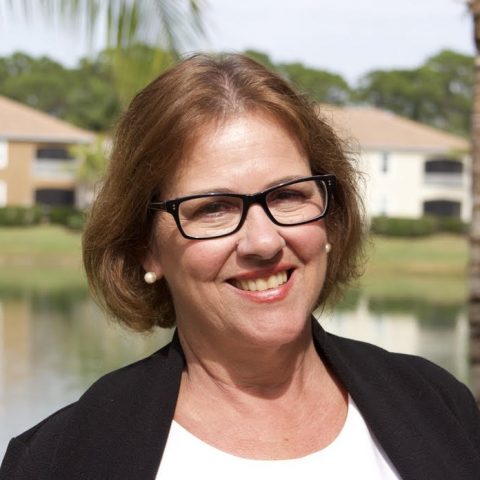
Marky has expertise in aligning people and processes, identifying emerging issues, and assessing the effectiveness of organizational interventions. The result: enduring measurable improvement. Marky uses her deep health care experience along with evidence-based practices to co-create a customized improvement plan with clients.