
At the heart of exceptional health care is not just what we do, but how we relate.
The Interprofessional Relational Model™ highlights four essential relationships that shape every interaction, every decision, and every outcome: our relationship with self, colleagues, patients and families, and community. When these relationships are intentionally nurtured, they create the foundation for meaningful connection, resilience, and excellence in care.
Relationship with Self
Paying attention to our own well-being isn’t a luxury or an “extra”- it is essential. Our well-being directly shapes how we show up, how we connect, and how long we can sustain the work we care about. The emotional connection we have to our work is deeply meaningful, and at times demanding. When we tend to our own well-being, we preserve our capacity for compassion and are less likely to deplete the energy that supports our ability to care.
When we nurture the best version of ourselves, our presence, our ability to listen, and our capacity for connection strengthen. We show up with greater resilience, more intentional, more authentic, and better able to protect our ability to care.
Well-being is not only emotional; it influences how we think, prioritize, and respond rather than react. When we are grounded, our decision-making is clearer, and our critical and creative thinking are enhanced. This allows us to integrate our relational, clinical, and technical skills with greater confidence and ease.
Over time, well-being becomes a relational anchor, helping us remain present, even in difficult moments. The well-being anchor reminds us that we are not meant to carry everything alone, and that sharing what weighs on us is part of sustaining a healthy relationships with ourselves and each other.
Pause to reflect: How am I creating space for my own well-being?

Relationship with Colleagues
A healthy relationship with self is not separate from caring for others- it is what sustains it.
Our relationships with colleagues shape the environment we work in every day. Healthy connections are not built on always having the right words or solutions, but on being present, respectful, and real. Every interaction matters: each one contributes to the strength of our relationships and the culture we create together.
Trust, open communication, and consistent, visible support form the foundation of a workplace where excellence in care can thrive. Psychological safety grows when we create space for others to speak, contribute, and even struggle without judgment. Sometimes, the most meaningful support we offer is simply to listen.
Each of us holds a shared responsibility to build and sustain healthy relationships with our colleagues, because how we show up for one another shapes not only our experience, but the care we provide.
Pause to Reflect: How do I create space for others to feel seen and heard?

Relationship with Patients and Families
The Interprofessional Relational Model™ intentionally places our relationship with patients and families after first considering our relationships with self and colleagues. This design reflects a simple truth; human connection is at the heart of all we do. Whether through skilled clinical care, active listening, or small acts of compassion, healing begins when we are truly present with one another. When our relationships with self and colleagues are nurtured, we are better able to show up as who our patients and families need us to be.
Patients and families often experience feelings of overwhelm and vulnerability, facing uncertainty, complex processes, and the language of health care. In these moments, we are invited into spaces that ask for presence, not solutions. These are the moments that call upon the full depth of our competence and abilities- clinical, technical, and relational. Even when outcomes are uncertain, how we show up matters. Our presence, our words, and even our silence can offer comfort, preserve dignity, and create meaningful connection.
“Being a healing presence is more than sharing feelings or advice. It is often experienced by others as peacefulness, quiet, and stillness” (Helldorfer and Moss).
Reflection: How do I define meaningful connections and compassion when outcomes are uncertain or when I find it difficult to be in a healthy relationship?
Relationship with Community
Health care exists within communities, and within the Interprofessional Relational Model™, community is recognized as an essential relationship to intentionally nurture. It is always present, shaping and influencing our relationships with self, colleagues, and patients and families.
Community reflects the diverse settings and affiliations that influence individuals’ access to, experiences with, and contributions to care. These include professional, social, cultural, spiritual, ethnic, and educational communities where people connect through shared purpose, values, culture, faith, and care.
These communities provide support, foster trust, and create a sense of belonging. Many of us engage in professional communities that advance our knowledge, skills, and abilities, while others ground us in well-being, faith, or cultural identity, helping us stay connected to what matters most.
Community norms also play a powerful role in shaping care. They influence how relationships are formed and how patients and families perceive and experience the health care system. Strong partnerships between health care organizations and the communities they serve are essential to improving public health outcomes. These connections deepen understanding of population-specific needs, risks, and challenges, and strengthen efforts to address social determinants of health and reduce disparities.
By intentionally including community within the model, we acknowledge a dynamic social ecosystem that continuously shapes all other relationships. Community influences our identities, perceptions, values, and biases, even as it is shaped by the individuals within it.
Bringing It All Together
The four relationships are not separate; they are deeply interconnected.
- When we strengthen our relationship with self, we show up more fully for our colleagues.
- When we build trusting connections with colleagues, we create environments where patients and families feel safe and supported.
- When we engage with community, we deepen our understanding and impact across all levels of care.
This is the work of connection. This is the work of care.
Ready to Go Deeper?
If your organization is looking to strengthen connections, elevate team relationships, and bring the Interprofessional Relational Model™ to life, we’d love to support you.
Let’s start the conversation.
Contact us today to learn how we can help your team build stronger relationships, and better outcomes, together.

Frequently Asked Questions
What is the Interprofessional Relational Model™?
The Interprofessional Relational Model™ is a framework that focuses on four key relationships— self, colleagues, patients and families, and community— to improve connection, collaboration, and outcomes in health care.
Why is the Interprofessional Relational Model™ important in health care?
The Interprofessional Relational Model™ is important because it strengthens the connections that shape care delivery— between self, colleagues, patients and families, and community. By focusing on these relationships, health care organizations can improve communication, build trust, enhance resilience, and ultimately achieve better patient outcomes.
What are the four relationships in the Interprofessional Relational Model™?
The four relationships in the Interprofessional Relational Model™ are the relationship with self, colleagues, patients and families, and community. Each plays a critical role in shaping communication, collaboration, and outcomes across health care environments.
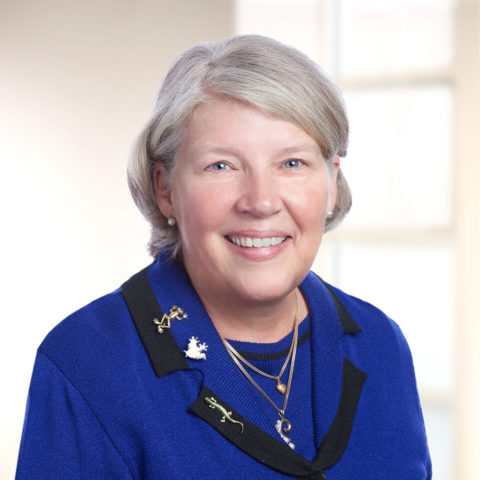
Kathleen Van Wagoner MSN, RN, MSA
Kathleen is an accomplished mentor and developer of people, programs, and culture. As a highly successful former nurse executive in clinical administration, program design, and project management, she is skilled in all aspects of care provision. She brings to her consulting work an in-depth knowledge of clinical operations, academics, research, and health care finance. She is dedicated to establishing high quality, caring relationships between health care providers and the patients and families in their care.