
Balancing Personal and Professional Well-Being in Health Care: A Call to Action for Every Nurse
Nursing is more than a profession- it’s a calling. A nurse’s commitment to compassionate, expert care is what sets the standard for health care excellence. Yet, behind every extraordinary caregiver is a human being navigating the complex balance of personal and professional well-being.
At Creative Health Care Management, we believe that sustaining a thriving nursing workforce requires more than clinical skill or organizational support. It requires attention to the whole person, nurturing the mind, body, and spirit of those who care for others.

Personal Well-Being: The Foundation of Resilience
Personal well-being is not a luxury; it’s a necessity. It encompasses physical health, mental and emotional stability, meaningful relationships, and personal fulfillment. When these elements are out of alignment, the consequences often spill into professional performance, leading to stress, disengagement, or even compromised patient care.
For nurses working long shifts, managing critical decisions, and witnessing human suffering daily, personal well-being can feel elusive. Yet it is precisely this demanding environment that makes it essential. Self-care, healthy boundaries, strong social connections, and time away from work are not indulgences, they’re professional imperatives.
Professional Well-Being: More Than Job Satisfaction
Professional well-being goes beyond enjoying your work. It includes feeling valued, having a voice in decisions, access to development opportunities, and experiencing a sense of purpose in your role. It’s about cultivating a work environment where nurses are empowered, engaged, and emotionally safe.
When nurses have the tools and support to thrive professionally- through shared decision-making, adequate resources, recognition, and growth- they are better equipped to deliver the high-quality care our health care systems demand.
Striking the Balance: What’s in Your Control?
While systemic challenges like staffing shortages and resource constraints are real and impactful, many of these factors lie outside the direct control of individual nurses. But not everything does.
What is within your control is how you respond:
- Prioritize rest, nutrition, and physical activity.
- Engage in hobbies and passions outside of work.
- Establish boundaries that protect your time and energy.
- Seek out connection- build peer networks and ask for support.
- Pursue growth through education, mentorship, and career development.
These are not just acts of self-preservation, they are leadership behaviors that model sustainable practice for the profession.

Organizational Responsibility: Partnering for Wellness
Health care organizations have a responsibility to create cultures that support both personal and professional well-being.
This includes:
- Flexible scheduling and time-off policies.
- Mental health and wellness programs.
- Recognition systems that celebrate contributions at all levels.
- Shared governance/ professional governance structures that elevate nurse voices.
Leaders must actively engage with their teams to ensure these resources are accessible, visible, and aligned with the real-world needs of today’s nursing workforce.
Final Reflection: A Collective Commitment
The well-being of nurses is a professional priority and an organizational imperative. It is only when we honor the whole person behind the role that we can truly support the longevity and vitality of the profession.
As we continue to champion caring relationships, leadership development, and excellence in outcomes, let us not forget: sustainable excellence begins at the intersection of personal and professional well-being.
Let’s care for the caregivers, because they are the heart of health care.
Ready to take the next step toward a culture of well-being?
Connect with our team to explore how CHCM can help you support your nurses and sustain a thriving, resilient workforce.
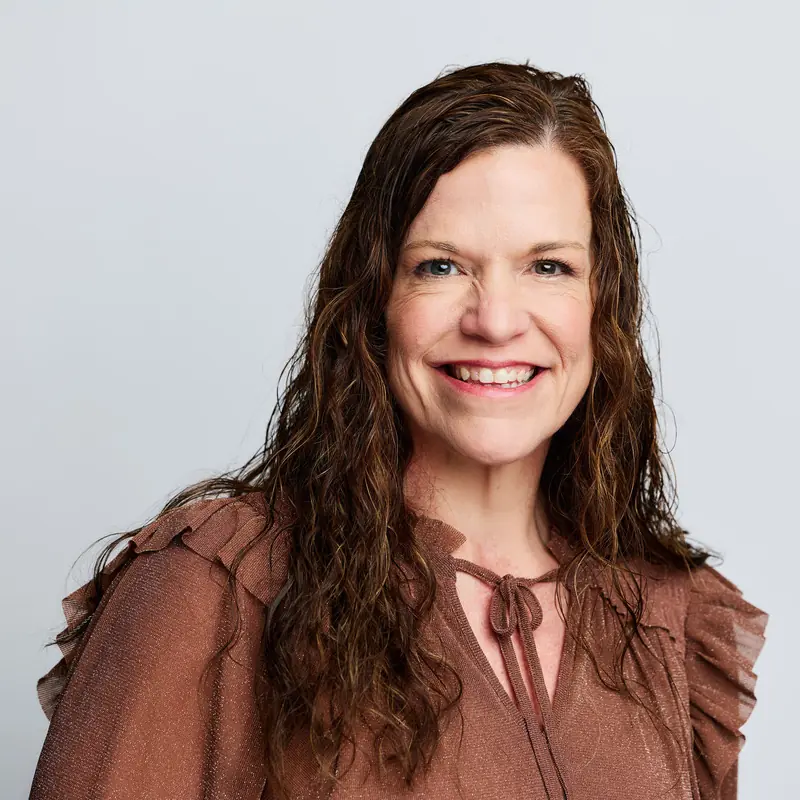
MSN, RN
Sara brings over 25 years of nursing experience and over 15 years of nursing leadership with her to Creative Health Care Management. She has served as a nurse manager as well as a Magnet Program Director where she led her organization to their first Magnet Designation.
Sara oversaw a centralized discharge call center, virtual admission, discharge nurses, and patient experience for the hospital and physician clinics. She saw many improved outcomes, including decreasing falls with injuries by 40%, by utilizing a shared governance approach. She also increased outpatient patient satisfaction by 50% through implementing discharge phone calls.