A strong workplace culture isn’t built on sameness; it’s built on understanding.
Recently, we’ve explored how culture is more than just “how we do things here.” Culture shows in how we communicate, make decisions, recognize contributions, and create space for every voice. Most importantly, it is shaped by the people who bring it to life each day.
Why Culture Matters
Culture has a direct impact on engagement, retention, and innovation. Everyone in an organization wants to feel valued and understood. When individuals feel valued and when they add value to others, they matter. If culture values mattering, people experience a sense of belonging, acceptance, and approval. They are then more likely to contribute, collaborate, and stay with the organization.
Different Perspectives, Shared Impact
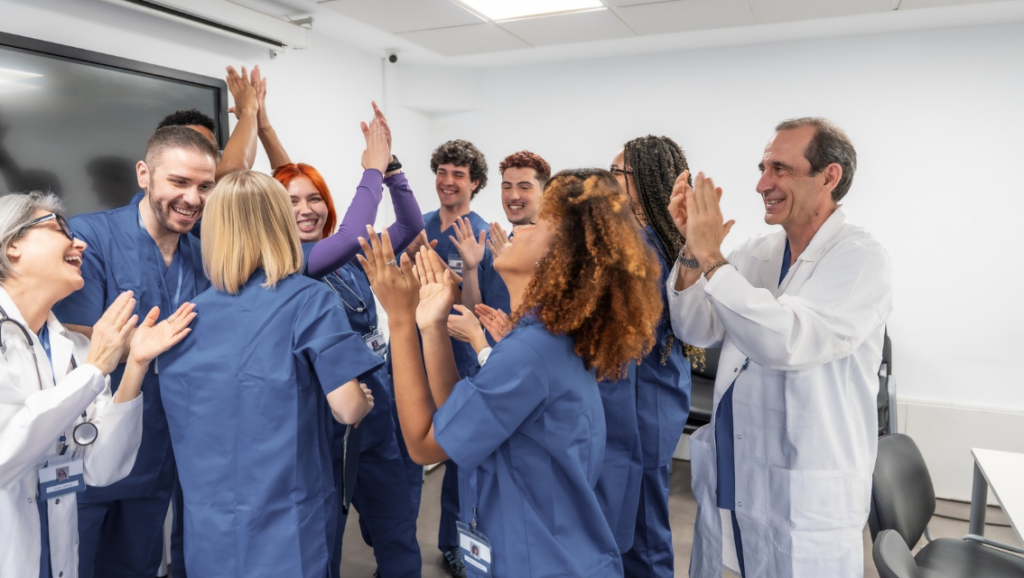
Teams span generations and personalities, each bringing unique strengths:
- Generational perspectives influence expectations, from structure and loyalty to flexibility and purpose.
- Personality differences shape how people communicate, process information, and engage with others.
These differences don’t weaken culture; they strengthen it when leveraged effectively.
Bridging the Differences
Building an inclusive culture doesn’t require large-scale change. It starts with intentional actions:
- Adapt communication to meet different needs and styles.
- Personalize recognition and feedback so it resonates.
- Create inclusive meetings and workflows that invite all voices to participate.
- Anchor in shared values while allowing flexibility in how they’re expressed.
- Lead with curiosity; seek to understand before judging.

What Comes Next
Culture doesn’t shift all at once. It evolves through everyday actions. Consider one of these actions as you create or participate in an upcoming meeting:
- Adjust how you communicate with a colleague
- Invite input in a new way
- Reflect on whose voice may be missing
The most effective cultures don’t ask people to fit a mold.
They’re built on a shared foundation that makes space for differences; where every generation, every personality, and every perspective has a role in shaping “how we do things here.”
And that’s not just good culture. That’s sustainable culture.
Want to strengthen your organization’s culture?
Explore our leadership and culture resources or connect with our team to learn how CHCM supports sustainable, people-centered workplaces.
References
Berndt, J., & Ortelli, T. A. (2023). Creating a Healthy Work Environment. AJN, American Journal of Nursing, 123(3), 59–60. https://doi.org/10.1097/01.naj.0000921820.57044.2b
Briggs Myers, I. (2016). Introduction to Myers-Briggs Type (7th edition) CPP.
Van Wagoner, K., & Martin, T. (Eds.). (2025). Essentials of a caring culture: The interprofessional relational model. Creative Health Care Management

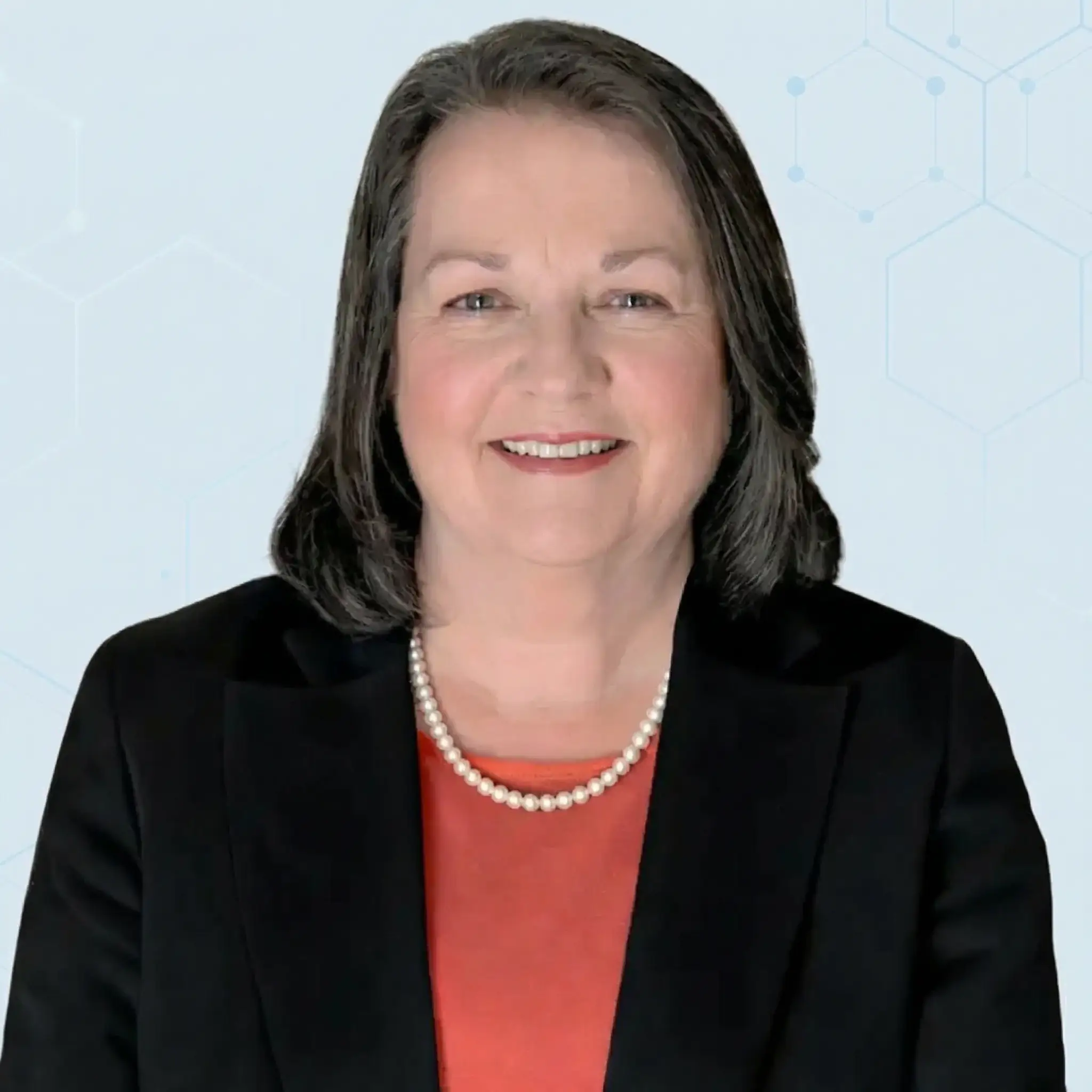
Ruth’s career has spanned over 30 years with a large health system where she has held progressive leadership roles including Risk Manager, Director of Surgical Services, Clinical Project Director, and Magnet® Program Director. Ruth has extensive experience with successful Magnet® designation, and a proven track record of improved outcomes.