You have submitted the documentation. You have waited. You have prepared. And now the appraisers are coming to your organization!
What Happens During a Magnet® Site Visit?
A Magnet® site visit can be the most exciting and rewarding phase of the Magnet® designation process. During the site visit ANCC Magnet® Program appraisers come to the organization to verify, validate, and amplify the information they learned in the documentation. It is the moment for the organization to highlight the important work that they do for their patients and their community. It is the moment when every employee has an opportunity to tell the story of the work they do.
So, what should your staff be prepared to discuss with the appraisers? One way to think about the site visit is through the five Magnet Model® components. Each component gives the appraisers a different lens through which they can see how Magnet® culture is lived throughout the organization.
Preparing Staff for a Magnet® Site Visit Through the Five Model Components
The discussion prompts below are CHCM preparation examples, rather than an official ANCC question list. Use them to help staff reflect on their experiences and share authentic stories, rather than memorize answers.
Transformational Leadership: How Leaders Advocate For and Support Nursing Excellence (TL)
Can clinical staff describe how leadership enables excellence?
Appraisers are looking for evidence that nurse’s “voices are heard, their input is valued, and their practice and professional well-being are supported” (2023 Magnet Application Manual).
What Staff Should Be Able to Describe
Staff should be able to describe how nursing leadership translates the organization’s mission, vision, values, and strategic priorities into action; how leaders seek and respond to staff input; how resources are secured to support priorities; how leaders remain visible, accessible, and engaged during change; and how well-being is promoted within the organization.
Practice Prompts and Examples for Staff Discussions
In collaborating with our leader, we identified an opportunity to improve [example] (patient care or nursing practice environment). We reviewed the data, created a goal, developed an action plan, and as a result, we were able to [example] (describe the resource or improvement).
Our leader is available to us [example] (when and how). She communicates with us via 1:1 conversations, daily huddles, weekly newsletters, individual emails, etc.
Our CNO is [example] (name of CNO) and the last time I saw her was [example] (day, week, month on the unit, in a meeting, in the cafeteria, etc.)
Structural Empowerment: How Nurses Make Decisions and Grow Professionally (SE)
Can clinical staff describe the influence they have over decisions that affect their practice?
Appraisers are looking for evidence that nurses are empowered to influence practice and participate in decision that affect their work, supported in their professional growth and lifelong learning, engaged in professional organization and their communities, and recognized for their contributions to the organization and the nursing profession.
What Staff Should Be Able to Describe
Interprofessional decision making councils or committees that nurses are involved in and the work they have accomplished. Targeted goals, action plans, and support from the organization for nurses to obtain certifications and higher education. Describe transition to practice programs for all nurses joining the organization. Describe professional development activities developed with clinical staff for clinical staff. How nurses are encouraged and supported to participate and give back to the community. Rewards and recognition to the clinical staff and leaders within the organization.
Practice Prompts and Examples for Staff Discussions
I have opportunities to gain experience professionally and contribute to the outcomes of the organization through [example] (give examples of projects, leadership opportunities, care influencing, etc.)
On my unit we transition new staff by [example] (describe the transition to practice program, preceptor program, & orientation).
Our unit and organization have a targeted goal of [example] % of our nurses to be certified/obtain higher degrees. This goal was established by/through [example] (describe the process). We are encouraged to advance our practice through certification/degrees by [example] (leaders, professional development department, clinical ladder, professional development goals, etc.), and we are supported by [example] (describes programs for reimbursement, reduced tuition rates, fail safe programs, etc.).

Exemplary Professional Practice: How Nurses Put Professional Practice Into Action (EP)
Can clinical staff speak to how professional practice is truly lived throughout the organization?
Appraisers are inquiring as to how nurses engage and collaborate, how they practice ethically and safely, use resources responsibly, and improve patient, workforce, and organizational outcomes. The Professional Practice Model (PPM) aligns with the mission, vision, and values of nursing and organization. It depicts how nurses practice, collaborate, communicate, and develop professionally. Shared decision-making is enculturated at the unit, division, and organization levels. Those individuals most affected by the decision are involved in the decision. Data is used to drive practice and change – RN engagement, nurse sensitive indicators, patient satisfaction, etc.
What Staff Should Be Able to Describe
Staff should be able to explain how the Professional Practice Model (PPM) shapes their practice; how shared decision-making gives them a voice in decisions; how they collaborate with interprofessional colleagues; and how they use data, resources, performance feedback, ethical processes, and safety practices to drive their work, strengthen care and the practice environment.
Practice Prompts and Examples for Staff Discussions
Describe your professional practice model. What does it mean to you as a nurse at [example] hospital?
I participate in the unit-based council for [example] unit. We report on our goals and action plans to the [example] council. We have several organizational councils, and we receive communication from them through [example] (name of the individual or means of communication).
How were your most recent RN engagement survey scores? Do you have areas for improvement? How are you maintaining your positive results? Tell me about a time when you worked with an interprofessional team to improve patient care. What do the patients say about the care provided on your unit? Within your organization? If you had a workplace safety concern, how would you go about addressing the concern?
New Knowledge, Innovations, and Improvements: How Evidence and Innovation Improve Care (NK)
Can clinical staff speak to the integration of research and evidence-based practice in their clinical and operational processes?
Appraisers are looking for evidence that nurses have access to the resources, expertise, and infrastructure needed to use evidence, participate in research, adopt innovations, and share the knowledge gained. More importantly, they want to understand how new knowledge, innovation, and technology moves from an idea or discovery into practice and ultimately improves care.
What Staff Should Be Able to Describe
How evidence-based practice and research is used in the organization. The process for conducting a research project. The purpose of belonging to a professional nursing organization. Explaining how nursing participates in innovation and technology – the gathering of information, the selection, and the implementation.
Practice Prompts and Examples for Staff Discussions
Have you been involved in research within your organization? If yes, describe the process. If you wanted to be involved in research, what would be the process for beginning a research project?
Have you listened to research projects being presented within your organization? If yes, what do you remember?
Do you use specialty standards or guidelines on your unit? Can you describe it?
Can you give me an example of innovation or an adoption of technology in your organization?
Empirical Outcomes: How Nurses Connect Their Work to Measurable Outcomes
Can clinical staff connect what they do to the measurable outcomes of the unit, division, and organization?
Appraisers are looking for more than clinical staff who can identify a number on a dashboard. They want to see whether nurses understand the outcomes that matter to their patients, their unit, and their organization. Can staff describe how those outcomes are used to sustain current practices or how to use them to drive improvement when they are not meeting expectations?
What Staff Should Be Able to Describe
The data for the unit, division, and organization. Their responsibilities with the data. The process for applying the data. There are unique examples of data throughout the sources of evidence that require the clinical staff’s input and experience – certification, education, RN engagement, turnover rates, nurse sensitive clinical quality indicators, and patient experience.
Practice Prompts and Examples for Staff Discussions
Are you a certified nurse? Is there a goal for the number of nurses certified in your unit and organization? How was this goal set? What resources are available to assist you in meeting this goal?
What is your unit’s turnover rate? What is your unit doing to influence that outcome?
What nurse-sensitive indicators are important to your unit? What are the results telling you, and what have you personally done in response to the data?
How do you know that your patients are satisfied with the care they received? How often is this data shared with you? How are you using that information to improve care?
Helping Staff Tell Their Stories With Confidence
The goal of site visit preparation is not to teach staff what to say. It is to help them recognize and confidently tell the stories they are already living every day.
Magnet® is not demonstrated by one person, one department, or one presentation. It is demonstrated when staff throughout the organization can describe how leadership empowerment, professional practice, innovation, and outcomes come together to create excellence.
Prepare early. Practice often. And most importantly, help the staff understand that the site visit is their opportunity to tell the story of who they are and why they work at your organization.

Prepare for Your Magnet® Site Visit With CHCM
Your Magnet® site visit is an opportunity to bring your organization’s story of nursing excellence to life. Creative Health Care Management’s Cultures of Excellence team partners with organizations to assess readiness, strengthen understanding of the Magnet Model, and help staff confidently connect their everyday practice to meaningful outcomes. Whether you are preparing for your first designation or redesignation, connect with CHCM to discuss support for your Magnet® journey.
Frequently Asked Questions About Magnet® Site Visit Preparation
During a Magnet® site visit, ANCC appraisers verify, validate, and amplify the information presented in the organization’s submitted documentation. It is an opportunity for staff to share how nursing excellence is demonstrated in their everyday work, professional practice, and outcomes.
Nurses can prepare by reflecting on examples from their own practice. These may include how they influence decisions, collaborate with colleagues, participate in improvements, and use data to strengthen care. Conversations with peers and leaders can help staff connect those experiences to the five Magnet® Model components and describe their contributions confidently.
Staff should be ready to discuss their experiences with nursing leadership, professional development, shared decision-making, their Professional Practice Model, evidence-based practice, innovation, and measurable outcomes. The prompts in this article can guide preparation, although the specific questions and conversations will vary.
The goal is to help staff understand and describe their practice, rather than memorize responses. Authentic examples help nurses explain what they do, why it matters, and how their contributions influence patient care and the nursing practice environment.
The five components provide a framework for connecting everyday nursing experiences to nursing excellence. They help staff explore how leadership, empowerment, professional practice, new knowledge, and empirical outcomes work together throughout the organization.
MAGNET®, Magnet Recognition Program®, ANCC Magnet Recognition®, Journey to Magnet Excellence®, Pathway to Excellence® Program, Pathway to Excellence in Long Term Care®, Demographic Data Collection Tool®, DDCT®, Practice Transition Accreditation Program® (PTAP) are registered trademarks of the American Nurses Credentialing Center (ANCC). The products and services of Creative Health Care Management are neither sponsored nor endorsed by ANCC. All rights reserved. The content presented in here is the expressed opinion of the author/presenter and not that of the American Nurses Credentialing Center (ANCC).
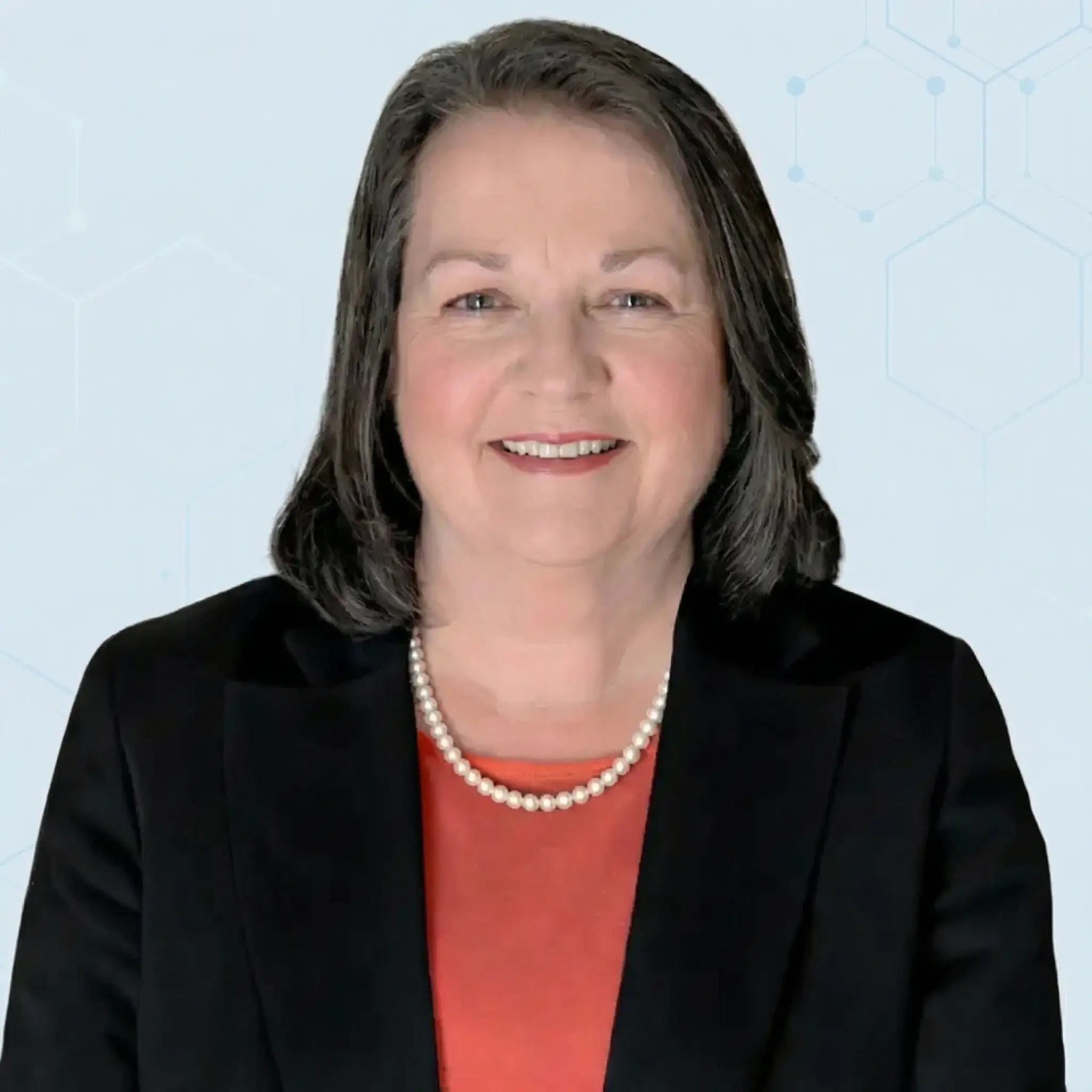
Ruth’s career has spanned over 30 years with a large health system where she has held progressive leadership roles including Risk Manager, Director of Surgical Services, Clinical Project Director, and Magnet® Program Director. Ruth has extensive experience with successful Magnet® designation, and a proven track record of improved outcomes.