In my previous articles, I explored what nursing professional practice is and what it looks like in action. I discussed professional identity, clinical judgment, accountability, lifelong learning, inquiry, advocacy, and influence. I also described the behaviors that distinguish professionals from employees by simply completing assigned tasks. But even when nurses fully embrace professional practice, another question remains: “Can nursing professional practice thrive through individual commitment alone?”
The answer is no! Even the most committed professionals struggle to sustain excellence in environments that lack the structures, systems, and support necessary for professional practice to flourish. Professional practice requires infrastructure.
Nursing Professional Practice Requires More Than Individual Excellence
Healthcare organizations often celebrate extraordinary nurses who go above and beyond despite challenging circumstances. While these stories are inspiring, they can unintentionally reinforce a dangerous belief that excellence depends primarily on extraordinary individuals. Sustainable excellence depends on extraordinary systems. It should be the predictable outcome of an environment intentionally designed to support professional autonomy, accountability, growth, and clinical excellence. Organizations do not simply get the professional practice culture they hope for. They get the professional practice infrastructure they build.
What is the Infrastructure Behind Nursing Professional Practice?
Professional practice infrastructure consists of the organizational systems, processes, and resources that enable nurses to practice to the full extent of their knowledge, judgment, and expertise. These systems create the conditions under which professional practice becomes not the exception, but the expectation. While each organization’s approach will differ, several foundational elements consistently emerge.

The Professional Practice Model (PPM): The Center of Nursing Professional Practice
At the center of professional practice infrastructure sits the Professional Practice Model (PPM). A Professional Practice Model is far more than a graphic displayed on a wall or included in orientation materials. A Professional Practice Model answers a fundamental question of Who are we as nurses in this organization? The ANCC Magnet Recognition Program® defines a Professional Practice Model as a schematic depiction of:
- How nurses practice
- How nurses collaborate
- How nurses communicate
- How nurses develop professionally
It articulates the values, beliefs, relationships, and expectations that guide nursing practice and professional behaviors. An effective Professional Practice Model provides a shared language for nursing practice and serves as a compass for decision-making, care delivery, professional development, and leadership. Importantly, a Professional Practice Model should not be something created for clinical nurses. It should be created with clinical nurses. When clinical nurses participate in developing and refining their Professional Practice Model, they develop ownership of the principles it represents and a deeper connection to the culture it seeks to create.
A Professional Practice Model should be visible not only in presentations and documents, but in everyday decisions, behaviors, recognition programs, performance conversations, and patient care. The question is not whether your organization has a Professional Practice Model. The question is whether nurses can see themselves in it and does it drive their everyday work.
Shared Governance and Professional Governance: Creating Voice and Influence
Professional practice flourishes when nurses have meaningful opportunities to influence decisions that affect practice, quality, safety, and patient outcomes. Professional practice also depends on nurses embracing ownership of their profession, which we discussed in Professional Practice in Nursing: It’s Time We Start Owning It. Shared Governance and Professional Governance provide the structures and processes that allow professional expertise to inform organizational decisions. When functioning effectively, professional governance creates:
- Shared accountability
- Clinical ownership
- Decision-making authority
- Professional engagement
- Organizational alignment
Shared Governance and Professional Governance are not the entirety of professional practice infrastructure, but they are an essential component of it.
Professional Development: Supporting Lifelong Learning
Professionals require opportunities to grow. Organizations committed to nursing professional practice invest in growth via the following examples:
- Continuing education
- Specialty certification support
- Academic progression support
- Leadership development
- Preceptor development
- Mentoring programs
- Succession planning
Learning should not be viewed as an event or a compliance activity. In professional practice environments, it must be embedded into the culture of the organization.
Evidence-Based Practice, Research, and Clinical Inquiry
Professional nurses ask questions. High-performing organizations provide the resources and support necessary to answer them including:
- Evidence-based practice support
- Research infrastructure
- Data access
- Mentorship
- Dissemination opportunities
Clinical inquiry transforms curiosity into improvement and improvement into outcomes.
Recognition Reinforces Professional Practice
Professional practice thrives in environments where expertise is visible and valued. Recognition programs and clinical advancement pathways communicate the important message that professional growth matters here. When organizations celebrate contributions to practice, scholarship, quality, leadership, and mentoring, they reinforce the behaviors they hope to sustain.
Leadership Matters
Nursing professional practice cannot be delegated solely to a professional practice department, an educator, or a governance council. Leaders at every level shape the environment in which professional practice either thrives or struggles. Leaders must create psychological safety, allocate resources, remove barriers, establish expectations, and determine whether professional expertise is genuinely valued through shared decision-making and professional influence.
Building Systems That Support Nursing Excellence
As explored in our article on Nursing Professional Practice in Action, professional practice becomes visible through everyday clinical judgment, accountability, advocacy, and leadership. However, those behaviors become much easier to sustain when organizations intentionally build systems that support them.
Too often, healthcare organizations ask nurses to demonstrate professional behaviors without providing the structures and processes required to make them possible. They ask for innovation without providing time. They ask for research and evidence-based practice without providing mentorship. They ask for engagement without providing influence and the time needed for this. Professional practice infrastructures close these gaps by creating environments where nursing excellence becomes sustainable rather than dependent upon individual resilience or extraordinary effort.

The Question Every Organization Should Ask
Healthcare leaders should ask themselves a simple but important question: “Are we expecting nursing professional practice, or are we enabling it?” We know professional practice does not emerge by chance and instead it is built intentionally through culture, leadership, systems, and investment. While professional practice begins with individual ownership, it is sustained through organizational commitment. Professional practice succeeds because organizations intentionally create the infrastructure that allows professionals to thrive. The results are reflected in engagement, retention, quality, safety, patient experience, and organizational performance.
While professional practice may begin with individual ownership,
it succeeds because organizations create the infrastructure that allows professionals to thrive.
How CHCM Helps Organizations Strengthen Nursing Professional Practice
Creating an environment where nursing professional practice can thrive requires more than good intentions. It requires intentional leadership, strong governance structures, meaningful professional development, and systems that support continuous improvement. At Creative Health Care Management, we partner with healthcare organizations to build the infrastructure that supports nursing excellence through:
- Professional Practice Model development
- Evidence-based practice and research support
- Professional development strategy
- Magnet® and Pathway to Excellence® consulting
- Nursing excellence and culture transformation
Whether your organization is strengthening professional practice, advancing nursing excellence, or preparing for an ANCC designation or recognition, our experienced consultants can help you build the systems that support lasting success.
Learn how CHCM can help your organization build a stronger nursing professional practice environment by contacting us today.

Frequently Asked Questions
Nursing professional practice infrastructure includes the organizational systems, leadership structures, resources, and processes that enable nurses to practice autonomously, participate in decision-making, pursue professional development, and continuously improve patient care.
A Professional Practice Model provides a shared framework for how nurses practice, collaborate, communicate, and develop professionally. It helps align nursing practice with organizational values while supporting consistent, high-quality care.
Shared and Professional Governance gives nurses a meaningful voice in decisions affecting clinical practice, quality, safety, and patient outcomes. This promotes accountability, engagement, and professional ownership.
Nurse leaders create the environment where professional practice can thrive by fostering psychological safety, supporting professional development, removing barriers, and empowering nurses to influence practice and organizational decisions.
Organizations can strengthen nursing professional practice by investing in Professional Practice Models, shared governance, leadership development, evidence-based practice, professional development, recognition programs, and clinical advancement pathways.
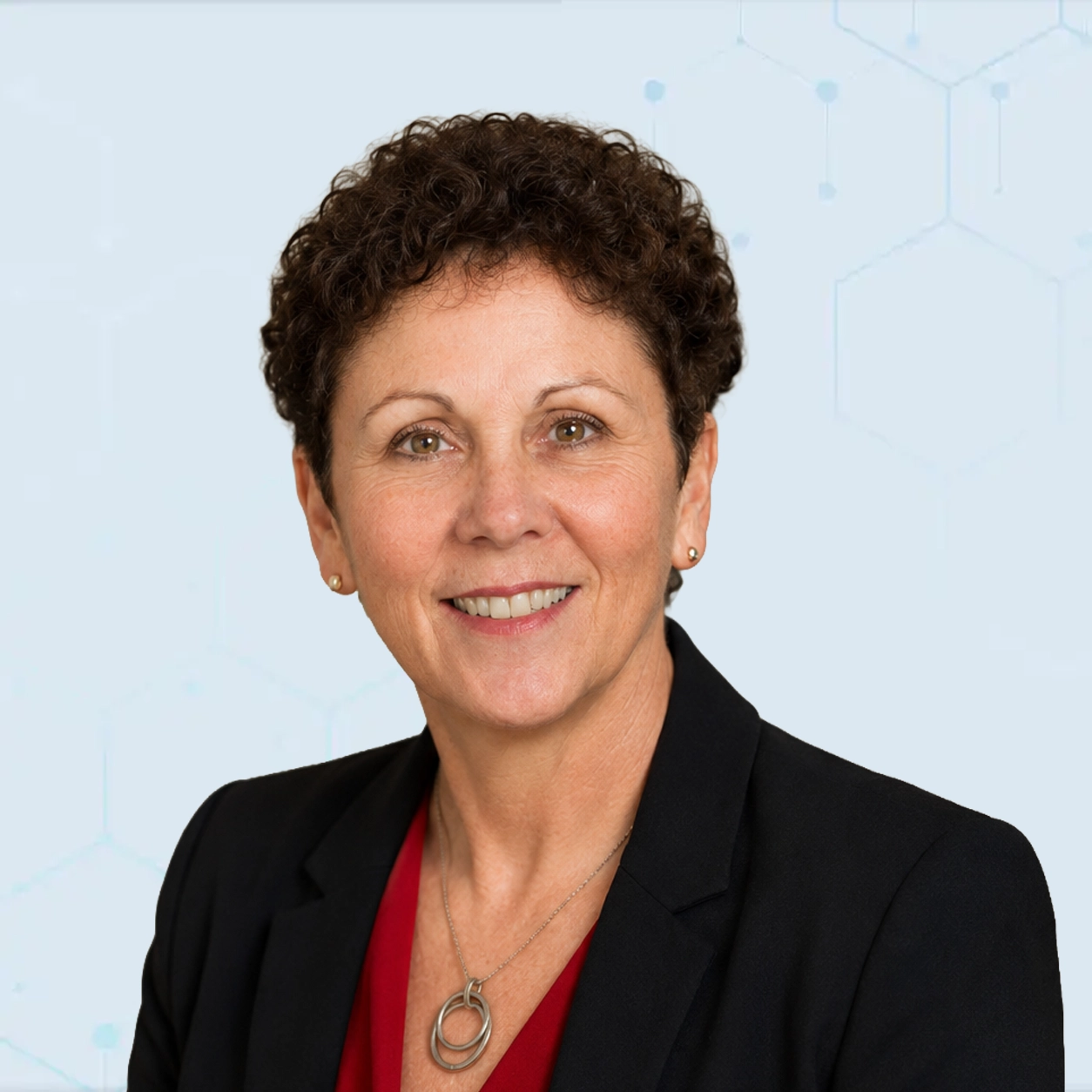
Gen is driven by the desire to help clients create organizational excellence through measurable improvement. She thrives on helping others reach meaningful goals, including Magnet® designation.