
We say it all the time, nursing is a profession. But what truly makes us professional? Is it the degree we hold? The license we carry? The compassion we offer?
The truth is- none of those alone are enough. It’s the combination…the body of nursing knowledge, commitment to evidence-based practice, self-regulation, peer accountability, and the therapeutic relationship with patients, that defines professional nursing practice. Yet in too many health care organizations, “professional practice” is a buzzword on a banner, not a lived, empowered reality.
It’s time we change that.
Professional Nursing Practice is More Than Caring
Yes, caring is the essence of nursing. But caring doesn’t make us professionals. What makes us professionals is the clinical judgment and evidence-informed decisions behind the care we provide.
Suzanne Gordon, author of Code Green once said:
“Nurses know that they can and do act on clinical judgment. Now they need to tell the public this.”
That’s not just about public image- it’s about professional identity and nursing empowerment. We need to speak proudly and plainly about what we know, why it matters, and how professional nursing practice changes lives.
Nursing Education, Certification, and the Courage to Grow
Nursing has long struggled with a clear standardization of required educational preparation. While other health professions have moved to advanced entry-level degrees, nursing still offers a fragmented path- and that creates confusion about our professional standing.
But research is clear:
Linda Aiken’s studies found that hospitals with higher percentages of BSN-prepared nurses had better patient outcomes.
Still, resistance to standardizing entry-level education continues.
Beyond formal education, national certification in nursing specialties validates expertise. While fear and cost remain significant barriers, organizations that support certification support- through funding upfront and offering exam prep resources- are investing in clinical excellence and signaling trust in their nursing workforce.

Continuing Nursing Education is Not a Checkbox
Most states require continuing education for nurses, but true professionals don’t just learn because the license demands it. They learn because they’re committed to growing, improving care, and impacting others.
In high-performing health care organizations professional development isn’t just encouraged, it’s embedded in the culture:
- Nurses lead continuing education courses.
- They present their work.
- They contribute to the collective expertise of their teams.
That’s what professional nursing practice looks like in action.
The Real Work of Professional Nursing Practice
Professional nursing practice is not just a committee or a policy. It’s an identity and an ownership mindset.
- Ownership of clinical expertise
- Ownership of patient outcomes
- Ownership of decision-making and shared governance and professional governance
When nurses feel empowered and accountable for practice, they don’t just perform- they lead, advocate, and transform.
Let’s Elevate Professional Nursing Practice Together
If we want to retain top talent, reduce burnout, and deliver safer, more compassionate care, we must elevate professional nursing practice beyond aspiration. It must become a non-negotiable part of how we lead, grow, and sustain health care teams.
Let’s stop being quiet about what we know.
Let’s stop apologizing for our expertise.
Let’s stop waiting for permission to lead.
Because professional nursing practice isn’t just what we do, it’s who we are.
Ready to strengthen professional nursing practice in your organization?
Creative Health Care Management (CHCM) partners with healthcare teams to build cultures where nurses have a voice, take ownership of their practice, and lead meaningful change. Explore our shared and professional governance solutions or contact us today to help turn professional accountability and shared decision-making into everyday practice.

Frequently Asked Questions
Professional practice in nursing combines specialized knowledge, clinical judgment, evidence-based care, ethical responsibility, and accountability. It includes how nurses make decisions, maintain their expertise, collaborate with colleagues, and build therapeutic relationships with patients.
Professional nursing practice gives nurses a foundation for making informed decisions, advocating for patients, and taking responsibility for their care. It strengthens professional identity and supports a culture of learning, accountability, and clinical excellence.
Shared governance gives nurses a structured role in decisions that affect their practice. Through shared decision-making and accountability, nurses help shape practice standards, identify improvements, and guide professional development.
Nursing education builds the knowledge and clinical reasoning needed for professional practice. Specialty certification validates expertise in a particular area, while continuing education helps nurses maintain and expand their knowledge throughout their careers.
Organizations can support professional nursing practice by involving nurses in meaningful decisions, funding professional development and certification, encouraging peer accountability, and creating opportunities for nurses to teach, present, and lead practice improvements.
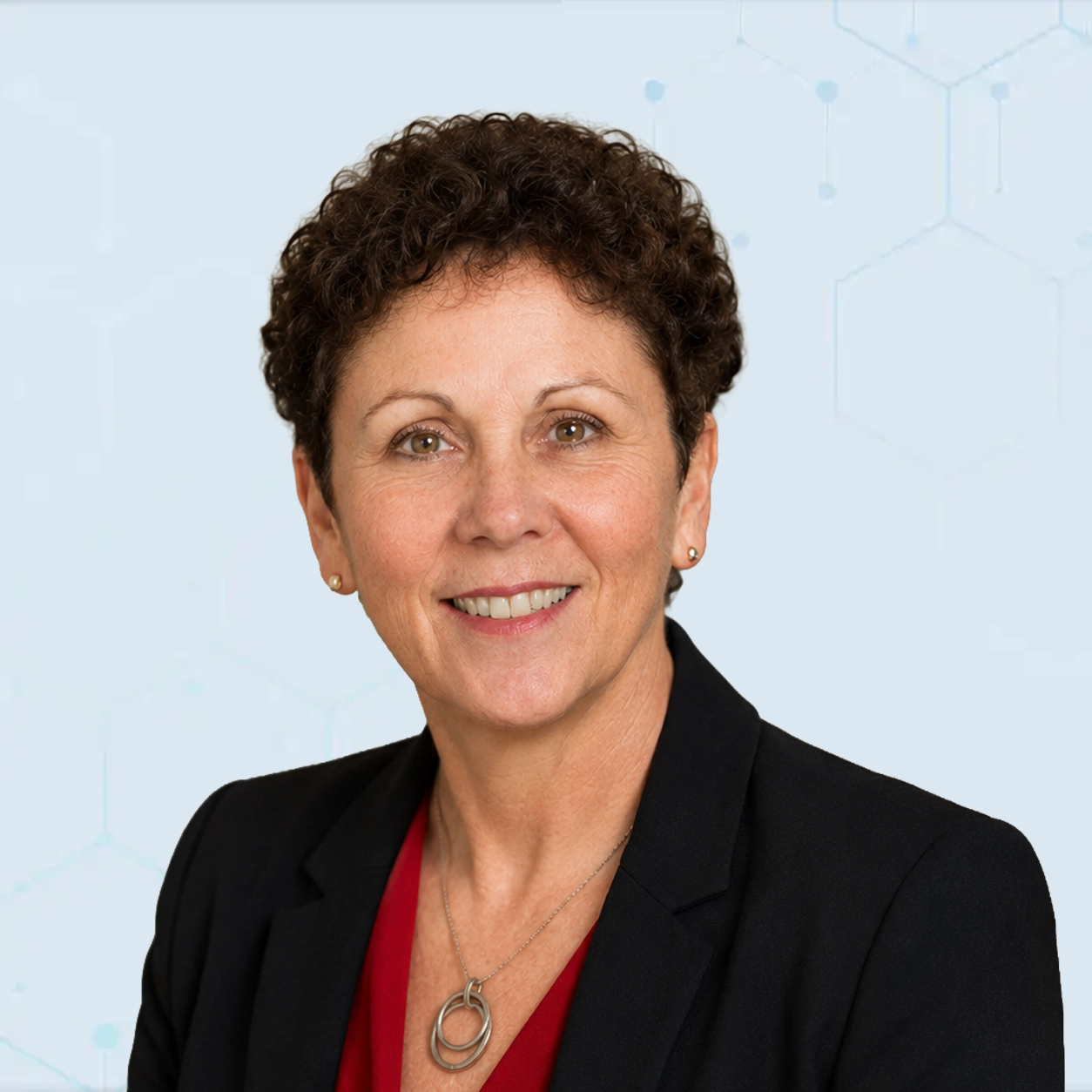
Gen is driven by the desire to help clients create organizational excellence through measurable improvement. She thrives on helping others reach meaningful goals, including Magnet® designation.