In today’s rapidly evolving healthcare landscape, effective leadership transcends traditional management as it requires the ability to inspire, innovate, and transform. At Creative Health Care Management (CHCM), we recognize transformational leadership as a pivotal force in driving organizational excellence and cultivating a culture of empowerment and innovation.
Understanding Transformational Leadership
Transformational leadership is a relational, values-driven leadership style that emphasizes inspiration, innovation, and shared vision rather than authority and control. It creates conditions where individuals are trusted and empowered to lead from every level of the organization. This style promotes individual autonomy, respects professional expertise, and aligns naturally with professional governance structures that support shared decision-making, ownership, and accountability. By elevating both the individual and the collective, transformational leaders cultivate cultures where professional empowerment is not only encouraged but expected.
The Four Essentials of Transformational Leadership in Healthcare
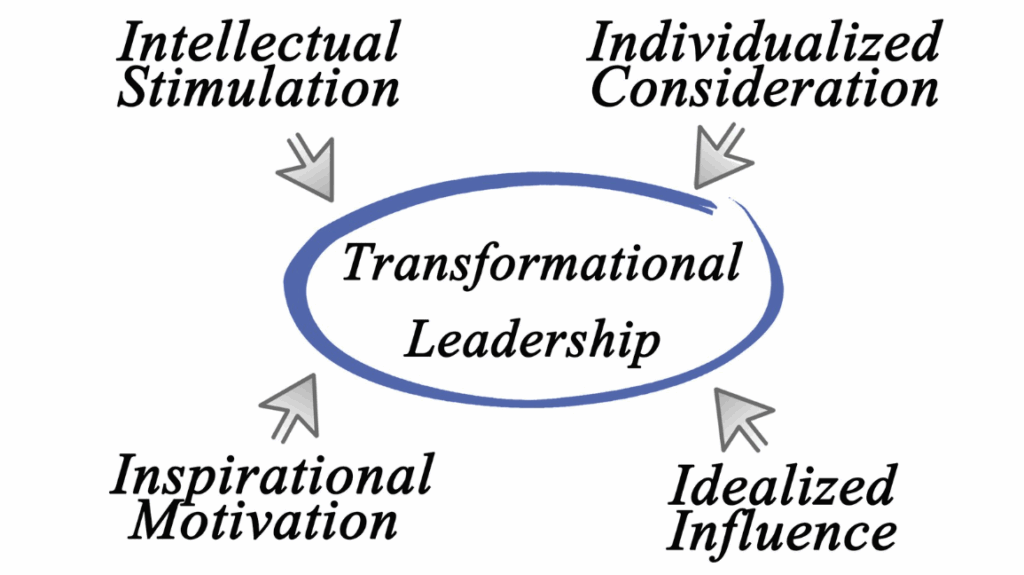
Transformational leadership is characterized by the leader’s capacity to inspire and motivate teams to exceed expectations while fostering an environment where innovation thrives.
This leadership style emphasizes the following essentials of transformational leadership in healthcare:
- Idealized Influence: Serving as ethical role models, transformational leaders earn trust and respect by exemplifying integrity and high moral standards
- Inspirational Motivation: Articulating a compelling vision, these leaders inspire and challenge their teams to achieve collective goals and outcomes.
- Intellectual Stimulation: Encouraging creativity and critical thinking, they promote an open-minded approach to problem-solving.
- Individual Consideration: Demonstrating genuine concern for team members’ needs, they provide personalized support and mentorship.
By embodying these components, transformational leaders not only drive performance but also foster personal and professional growth among team members.
The Evolution of Transformational Leadership Theory
The concept of transformational leadership was first introduced by sociologist James V. Downton in 1973 and later expanded by James MacGregor Burns in 1978. Burns emphasized the role of leaders in inspiring followers through vision and personality. In 1985, Bernard M. Bass further developed the theory by introducing the Multifactor Leadership Questionnaire (MLQ) to assess a leader’s transformational qualities, solidifying the model’s relevance in contemporary leadership studies.
Application in Today’s Healthcare Settings
In our rapidly evolving healthcare environment, transformational leadership is instrumental in navigating complex challenges and fostering a patient-centered culture. Leaders who adopt this style:
- Promote mental wellness and resilience among staff.
- Enhance patient outcomes through collaborative care models.
- Drive innovation by encouraging adaptive solutions in bureaucratic environments
By prioritizing empathy, adaptability, and continuous improvement, transformational leaders in healthcare create environments where both patients and staff can thrive.
Developing Transformational Leadership Skills
CHCM’s Leading an Empowered Organization (LEO) program is specifically designed to cultivate transformational leadership competencies in healthcare professionals, focusing on the key attributes that drive this style of leadership.
- Enhancing responsibility, authority, and accountability.
- Fostering a positive organizational culture.
- Empowering individuals to take ownership of their roles and decisions.
Through mentorship and targeted training, LEO equips aspiring leaders with the tools necessary to inspire teams and drive meaningful change within their organizations.
Conclusion
Transformational leadership is a catalyst for innovation, engagement, and excellence in healthcare. By embracing its core principles, leaders can effectively navigate the complexities of modern health care environments, fostering cultures that prioritize collaboration, continuous learning, and patient-centered care. At CHCM, we are committed to guiding healthcare organizations in cultivating transformational leadership to achieve sustained success and improved outcomes.
Ready to cultivate transformational leadership in your organization? Learn more about CHCM’s LEO Program or contact us today!
Frequently Asked Questions
What is transformational leadership in healthcare?
How does transformational leadership differ from transactional leadership?
Why is transformational leadership important for healthcare organizations?
Can point-of-care nurses be transformational leaders?
How does transformational leadership support professional governance?
What outcomes are associated with transformational leadership?
How can healthcare leaders develop transformational leadership skills?

Gen is driven by the desire to help clients create organizational excellence through measurable improvement. She thrives on helping others reach meaningful goals, including Magnet® designation.