There is no question that healthcare organizations have more access to information such as dashboards, reports, and performance metrics than ever before. Leaders can quickly access information on quality outcomes, patient experience, workforce engagement, financial performance, and operational effectiveness. Technology has made healthcare data more available, more visible, and easier to monitor. Yet despite this unprecedented visibility, many organizations still struggle to improve outcomes. In short, while healthcare data visibility has improved, visibility alone has not created change. Seeing data is not the same as using it.
Before organizations can act, they must first understand what their metrics are truly revealing. In our previous article on interpreting healthcare data, we explored how leaders can move beyond individual metrics to identify patterns, relationships, and the story behind the numbers. This article takes the next step: translating those insights into meaningful action.
Dashboards Reveal Performance. They Don’t Improve It.
A dashboard can show where performance is improving or declining. It can highlight variation, identify trends, and signal where attention is needed. Dashboards are important because they help organizations recognize opportunities for improvement. But dashboards also have limitations. They cannot explain every barrier influencing performance. They cannot redesign broken processes. They cannot create team ownership. They cannot change behaviors or strengthen culture. The dashboard is a tool only, it is the people using the information that are able to create the transformation.
The organizations that consistently improve quality, safety, workforce engagement, and patient outcomes understand this distinction. Rather than treating dashboards as the finish line, they use them as the starting point for meaningful conversations and action.
Moving From Monitoring Data to Improving Organizations
One of the biggest challenges organizations face is unintentionally stopping at measurement. Not a week goes by that some form of data is not on a meeting agenda. The data is reviewed. The report is presented. Trends are discussed. Often, explanations are offered about why performance has changed.
Those conversations matter, but the most important question comes next: “What are we going to do differently because of what we now know?”
Too often, the solution is created by an individual or group far removed from the source of the data. A well-intended action plan is developed, but the people closest to the work, the people who best understand the barriers, workflows, and realities influencing the outcome, may never be part of creating the solution. Improvement requires more than assigning an action plan. It requires engaging the people who understand the work. We explored more of this topic in our previous blog, “Why Access to Healthcare Data Doesn’t Guarantee Better Outcomes”.
Healthcare Data Must Connect to Action
Collecting and reviewing healthcare data creates awareness. Transforming data into action requires intentional structures that move teams from discussion to decisions and from decisions to results. Improvement does not happen simply because a metric appears on a dashboard. Organizations need systems that connect information to action and that means creating clarity around:
- Who needs to understand the data?
- Who is closest to the process being measured?
- What barriers are influencing current performance?
- What changes need to occur?
- Who owns the next step?
- How will progress be evaluated?
Without these connections, even the best data can remain as information instead of becoming organizational improvement.
The People Closest to the Work Drive Sustainable Change
Every healthcare metric reflects thousands of daily decisions, interactions, and workflows. The dashboard can show what is happening. The people closest to the work often understand why it is happening. They understand the workflow challenges and barriers. They know what helps performance improve and what gets in the way.
When individuals and teams are invited into understanding and improving outcomes, data becomes more than something reported to them. It becomes something they own and use. After all, outcomes are the autograph of the individual and team doing the work. Ownership of improvement increases when people see their ability to influence results.
Leadership’s Role Is to Create Curiosity
Leaders play a critical role in moving data beyond reporting. Their role is not only to ask:
- “How are we performing?”
It is also to ask:
- “What are we learning?”
- “What needs to change?”
- “Who do we need to engage to create the action plan”
- “What support do teams need?”
- “What systems are helping or getting in the way?”
Data should create curiosity before conclusions and action before assumptions. That mindset creates sustainable improvement rather than short-term fixes.

Sustainable Improvement Requires More Than Data
Organizations that consistently improve outcomes rarely do so because they have better dashboards. The future of healthcare improvement will not be determined by who has the most dashboards or the largest amount of data. The differentiator will be the ability to translate information into meaningful action. Organizations improve because they have stronger systems for acting on information.
Those systems often include:
- Shared governance and professional governance structures that engage frontline teams
- Clear responsibility, authority, and accountability (RAA)
- Leaders who facilitate improvement and encourage curiosity instead of directing every solution
- Cross-functional collaboration
- Continuous learning and feedback loops
While the dashboards identify opportunities, it is the people who improve outcomes.
When organizations connect data with engaged teams, effective processes, strong leadership, shared governance and professional governance structures, and clear responsibility, authority, and accountability (RAA), they move beyond measuring performance… they create the conditions to improve it.

How Creative Health Care Management Helps Organizations Turn Data Into Action
Collecting healthcare data is only the beginning. The real challenge is helping leaders and teams use that information to improve quality, strengthen professional practice, enhance workforce engagement, and achieve measurable outcomes.
Creative Health Care Management partners with healthcare organizations to build the leadership capabilities, governance structures, accountability systems, and cultures of excellence that transform healthcare data into meaningful action. Through consulting, leadership development, and evidence-based improvement strategies, we help organizations move beyond reporting metrics to creating sustainable change.
Ready to turn your healthcare data into better outcomes? Explore CHCM’s consulting and leadership development solutions to learn how we can help your organization translate insight into lasting improvement. Not sure where to begin? Contact us today and speak with one of our experts!
Frequently Asked Questions
A healthcare dashboard organizes performance data into an easy-to-understand format, allowing leaders to monitor quality, safety, financial, workforce, and patient experience metrics. Dashboards provide visibility into performance but do not improve outcomes on their own.
Data identifies opportunities for improvement, but meaningful change requires engaged teams, effective leadership, clear accountability, and intentional action plans. Without these elements, dashboards become reporting tools rather than drivers of improvement.
Healthcare organizations can turn data into action by involving point-of-care staff in improvement efforts, identifying workflow barriers, creating clear accountability, using shared governance structures, and continuously evaluating the impact of changes over time.
Healthcare leaders create the conditions for improvement by encouraging curiosity, engaging teams in problem-solving, removing barriers, and ensuring healthcare data informs decisions rather than simply measuring performance.
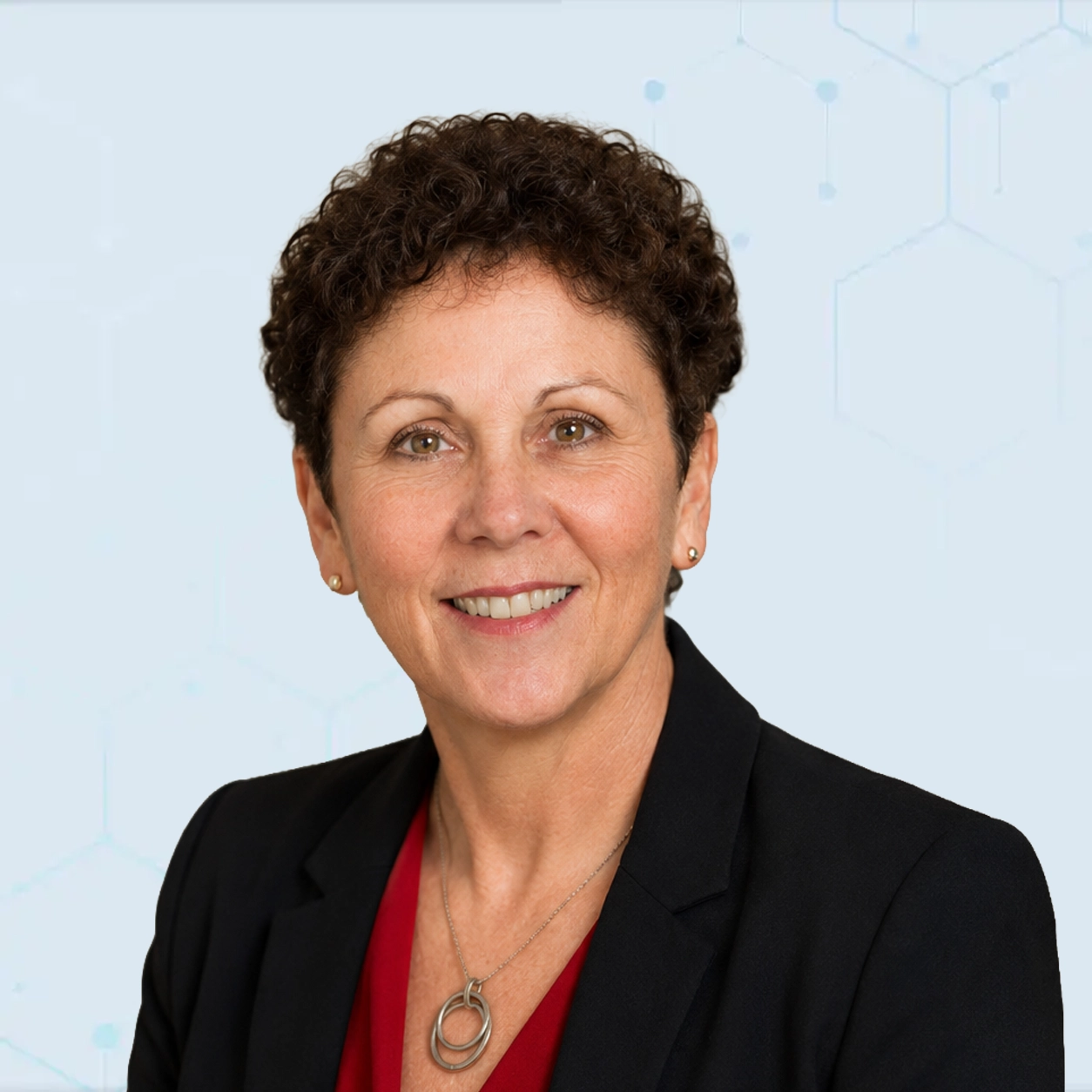
Gen is driven by the desire to help clients create organizational excellence through measurable improvement. She thrives on helping others reach meaningful goals, including Magnet® designation.