
It doesn’t matter so much what you call it as much as how you utilize the principles to improve practice and the practice environment.
– Marky Medeiros, MSN-RN
Why What You Call It Matters Less Than How You Use It
In today’s evolving health care landscape, the terminology used to describe governance models can significantly influence how staff and leaders understand and implement them. Whether your organization calls it Shared Governance, Professional Governance, Shared Decision Making, or another term, what truly matters is how these principles are operationalized to improve patient care, the work environment, and professional practice.
The Many Names of Governance
Nursing and interprofessional governance structures go by many names:
- Shared Decision Making (SDM)
- Shared Governance (SG)
- Professional Governance (PG)
- Governance Councils
- Collaborative Governance
- Shared Leadership
- Partnership Councils
While some terms may refer to similar structures, others represent entirely different approaches. Understanding “why an organization chose its terminology” is critical to grasping the intent and function of its governance model.
Understanding Key Terminology
Shared Decision Making (SDM)
Shared Decision Making, as defined in the Pathway to Excellence® 2024 Application Manual, is:
“A dynamic partnership between leadership, nurses, and other healthcare professionals that invites active engagement, promotes collaboration, and facilitates deliberation & decision making, resulting in ownership of practice & accountability for improving care quality & patient outcomes” (ANCC, 2023, p.107).
Shared Decision Making is essentially the “action of governance” the collaborative process where teams come together to make decisions about practice and the practice environment. It’s a verb: Shared Decision Making can happen in councils, staff meetings, shift changes, or any area where care decisions are made.
Shared Governance (SG)
Shared Governance has been used for over 40 years to empower point-of-care staff to analyze practice and outcome measures, create action plans, and implement decisions. Tim Porter-O’Grady initially chose the term Shared Governance over “Professional Governance” because it was more widely accepted by administration at the time.
“The use of the term shared rather than professional at the time was expediency, nothing more and nothing less.”
Excerpt: JONA, Volume 47, Number 2, pp 69-71, 2017: A Response to the Question of Professional Governance Versus Shared Governance; Tim Porter-O’Grady, DM, EdD, ScD(h), APRN, FAAN, FACCWS
Shared Governance emphasizes partnership, equity, accountability, and ownership.
- Partnership: Leaders, nurses, and interprofessional partners share ideas to make the best decisions.
- Equity: Every voice matters, regardless of title, position, or tenure.
- Accountability: Teams take responsibility for work, outcomes, and improvements.
- Ownership: Staff acknowledge that their actions directly impact outcomes.
Professional Governance (PG)
Professional Governance evolved from Shared Governance to reflect a “broader, professional accountability” (Porter-O’Grady) across disciplines.
It is:
“A collaborative framework that empowers professionals to influence decisions about their practice, quality, and work environment through shared leadership, accountability, and evidence-based structures” (, Guanci & Medeiros).
Professional Governance incorporates the same core principles as Shared Governance and adds:
- Professional obligation: Fostering a mindset of accountability and professional responsibility.
- Collateral relationships: Recognizing the impact of decisions on other disciplines and work areas.
- Effective decision making: Using evidence-based structures to make sound decisions for patient care and practice environments.
Responsibility, Authority, and Accountability
Effective governance depends on three pillars:
- Responsibility: Council members must accept and act to improve practice and outcomes.
- Authority: Councils must know the extent of their decision making power, defined in four levels:
- Level 1: Gather information and report back.
- Level 2: Gather information and recommend next steps.
- Level 3: Gather, pause for feedback, then implement decisions (Shared Decisions Making in action).
- Level 4: Act independently, then inform others.
- Accountability: Ensuring results are measured, evaluated, and improved continuously.

From Shared Governance to Professional Governance: Why It Matters
Moving from Shared Governance to Professional Governance is more than a name change- it represents a cultural shift toward professionalism and accountability:
- Staff at the point –of-care take ownership and are empowered to improve clinical, workforce, and patient experience outcomes.
- Professional Governance aligns governance with strategic priorities, organizational mission, and ethical standards, including the ANA Code of Ethics, Provision 4.
- It fosters interprofessional collaboration, decision making autonomy, and professional growth.
Key Principles of Professional Governance
- Accountability: Taking responsibility for outcomes.
- Professional Obligation: Upholding ethical and professional standards.
- Collateral Relationships: Considering the impact across disciplines.
- Effective Decision Making: Using evidence-based approaches to improve outcomes.
Leadership and Governance
Professional Governance is a leadership model. By participating in councils, staff develop leadership skills, see the bigger picture of the organization, and understand the importance of collaboration, teamwork, and shared responsibility. Governance structures complement various leadership styles, from transformational to servant leadership, and are instrumental in succession planning and professional development.

Key Takeaways
- The Name Matters Less Than the Function: Shared Governance, Professional Governance, or Shared Decision Making – what matters is how it’s implemented.
- Shared Decision Making Is the Action: It’s the process of collaborative decision making.
- Shared Governance Empowers Staff: Partnership, equity, ownership, and accountability are central.
- Professional Governance Elevates Practice: Builds professionalism, interprofessional collaboration, and outcome-driven leadership.
- Responsibility, Authority, and Accountability: Foundational for effective governance.
- Four Levels of Council Authority: From gathering information to independent action.
- Leadership Shapes Governance: Professional Governance fosters leadership, autonomy, and professional growth.
- From Participation to Professionalism: Shifting from casual involvement to professional ownership improves outcomes.
- Alignment with Ethics and Strategy: Governance must support ethical obligations and organizational priorities.
Closing
It doesn’t matter what you call it. What matters is how your governance model functions, how staff are empowered, and how decisions improve practice and patient care. When implemented effectively, governance transforms not just decision making, but the culture and professionalism of the entire organization.
Continue Your Governance Journey
Dive deeper into the principles and practices behind effective governance with Considerations in Professional Governance – the newly released essential guide written by Marky Medeiros and Gen Guanci for health care leaders and teams looking to elevate professional accountability, collaboration, and outcomes.
Get your copy today HERE.

Ready to Strengthen Governance in Your Organization?
Whether you’re refining your Shared Governance structure or transitioning toward Professional Governance, Creative Health Care Management can help. Our expert consultants partner with organizations to design, implement, and sustain governance models that drive engagement, ownership, and results.
Contact us today to get started!
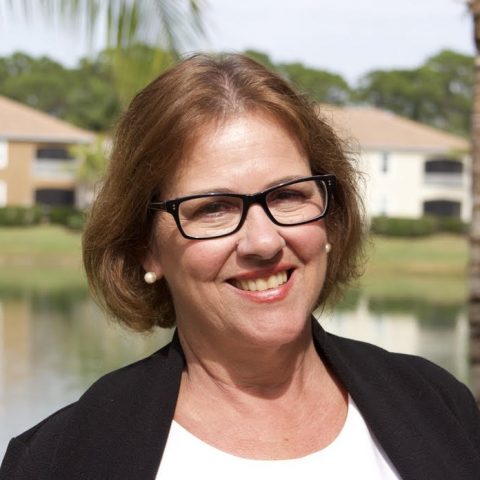
Marky has expertise in aligning people and processes, identifying emerging issues, and assessing the effectiveness of organizational interventions. The result: enduring measurable improvement. Marky uses her deep health care experience along with evidence-based practices to co-create a customized improvement plan with clients.